
For religious communities
Statues for convents, monasteries and prayer groups
A community prays before the same statue every day, often for decades. This page is for sisters, brothers, priests and lay groups choosing a statue for a chapel, a house or a weekly meeting.
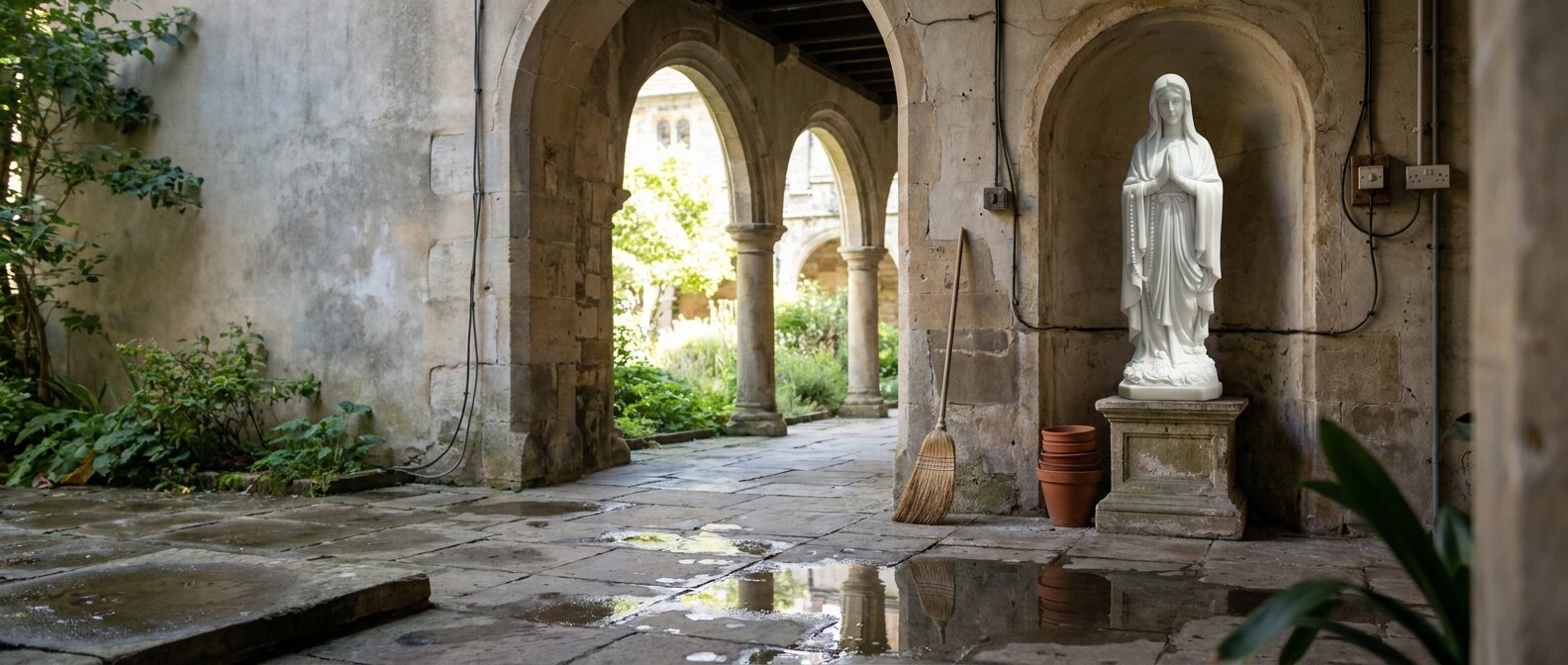
A statue that belongs to a charism
Most religious communities already know which statue they want, because it comes from their founder or their spirituality. A Carmelite house will want Our Lady of Mount Carmel and perhaps St Thérèse; a Franciscan friary, St Francis; a Mercy convent, Our Lady of Mercy; a Salesian house, Our Lady Help of Christians. Communities dedicated to the Sacred Heart, to St Joseph or to the Holy Family will look for those.
What a community usually needs help with is not which saint, but which size and which material for the place: a chapel that seats fifteen is not a parish church, and a cloister garden is not a back garden. If your community’s patron is not in the catalogue, marble can be carved to order.
Who this page is for
Convents and monasteries
A statue for the house chapel, the choir, the refectory or the community room. In a small chapel, a statue closer to eye level and a little smaller than you would choose for a church often looks right; measure from where the community kneels.
Houses of formation and retreat houses
Statues that guests and students will pray before, often in corridors and gardens as well as the chapel. Marble stands up best to heavy use and to being outside.
Legion of Mary praesidia
The Legion first met at Myra House in Dublin on 7 September 1921, with Frank Duff, around a little altar of the Immaculate Conception — and the Handbook still places a statue of the Immaculate Conception, in the form of the Miraculous Medal, at the centre of every praesidium meeting. That is the image we list as Our Lady of Grace; in painted resin it is light enough to carry to a meeting room and set up each week.
Prayer groups and devotional societies
Divine Mercy groups, Padre Pio prayer groups and Rosary groups that meet in a parish room often bring their own statue. Choose one light and sturdy enough to travel in a car, and keep the box it came in.
Our Lady, for chapels and praesidia
Painted and marble statues of Our Lady under the titles communities ask for most.
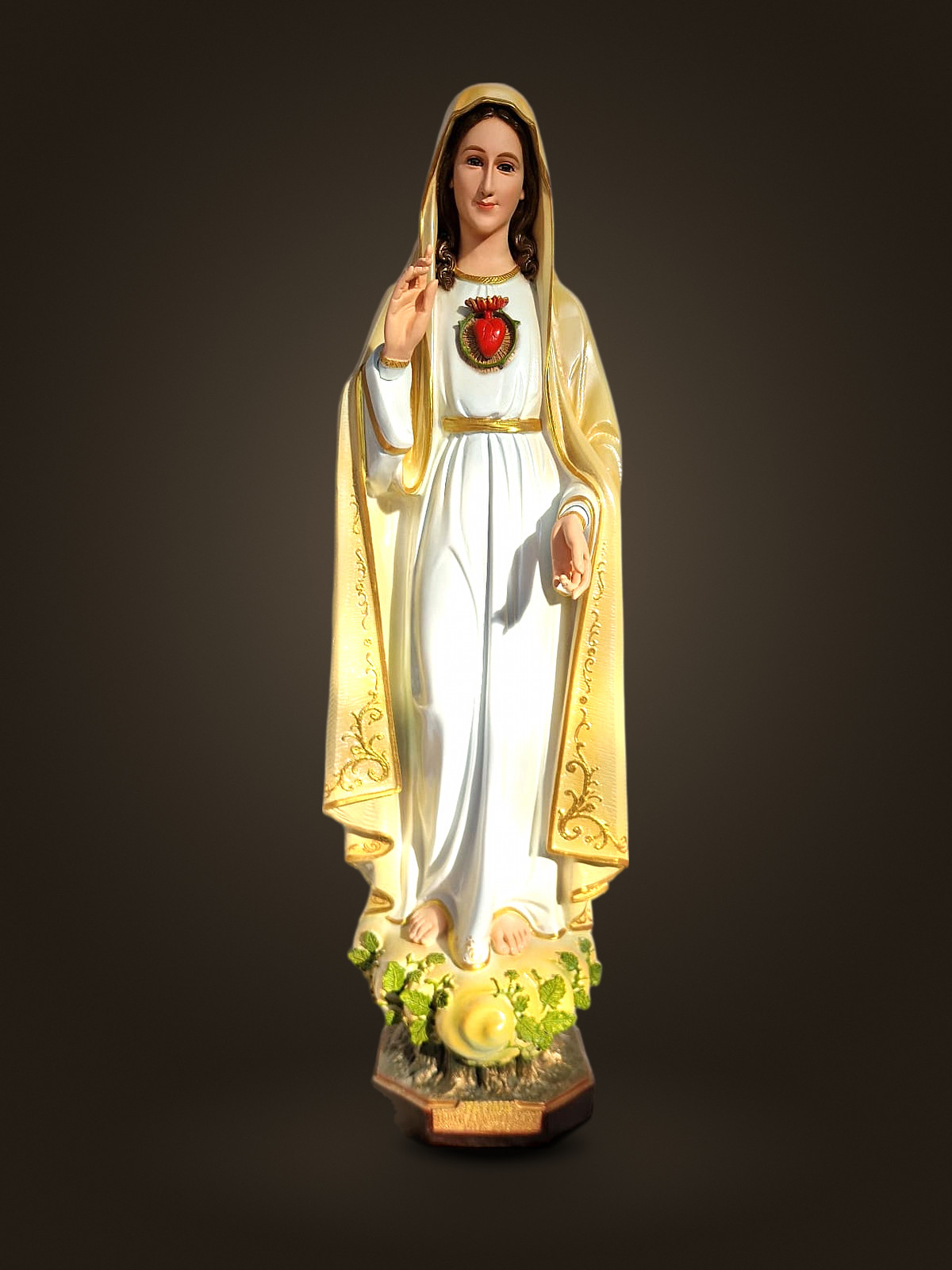
Our Lady of Fatima
Hand-painted resin
€140
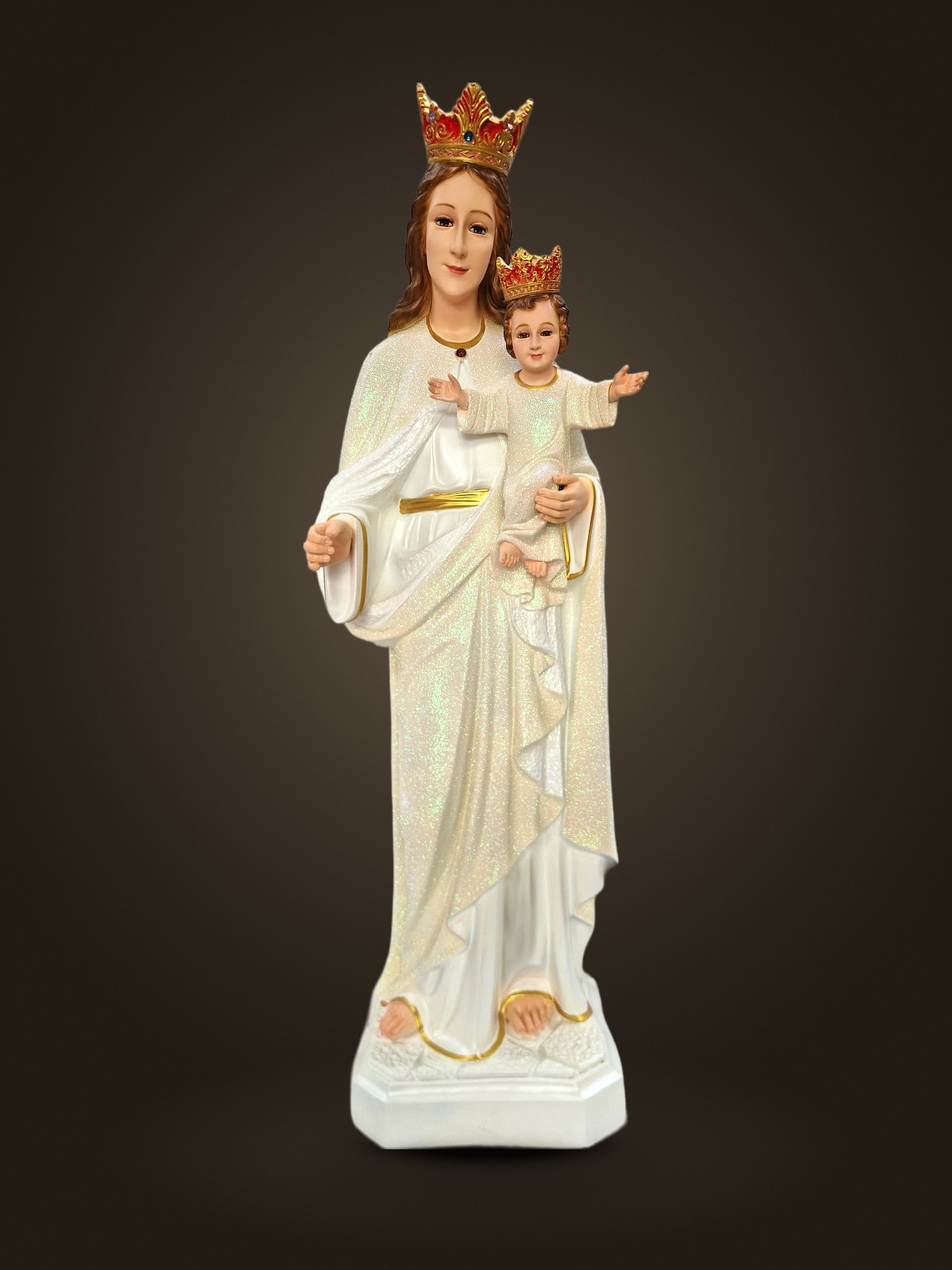
Our Lady Help of Christians
Hand-painted resin · glitter finish
€260
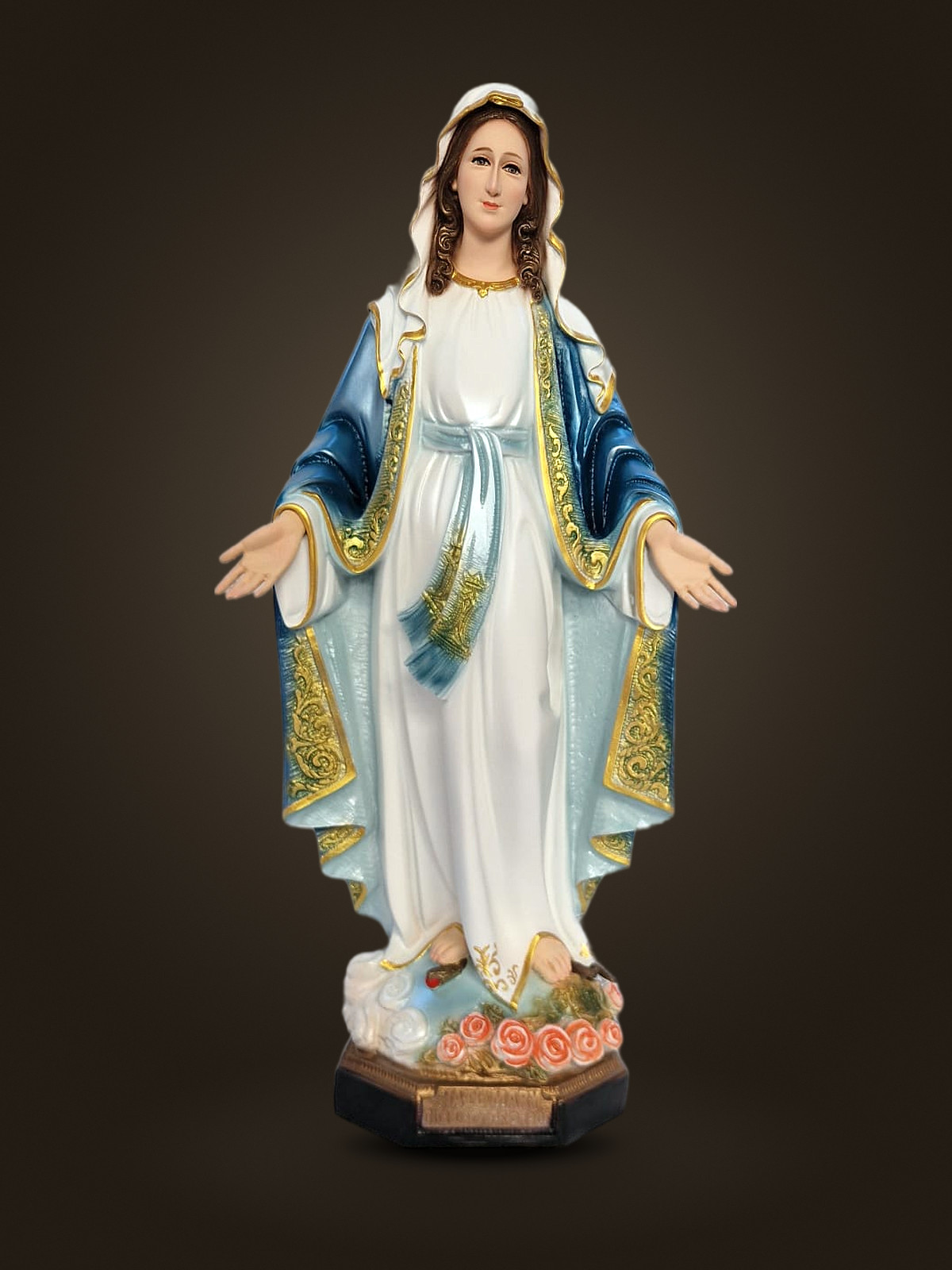
Our Lady of Grace
Hand-painted resin
€60
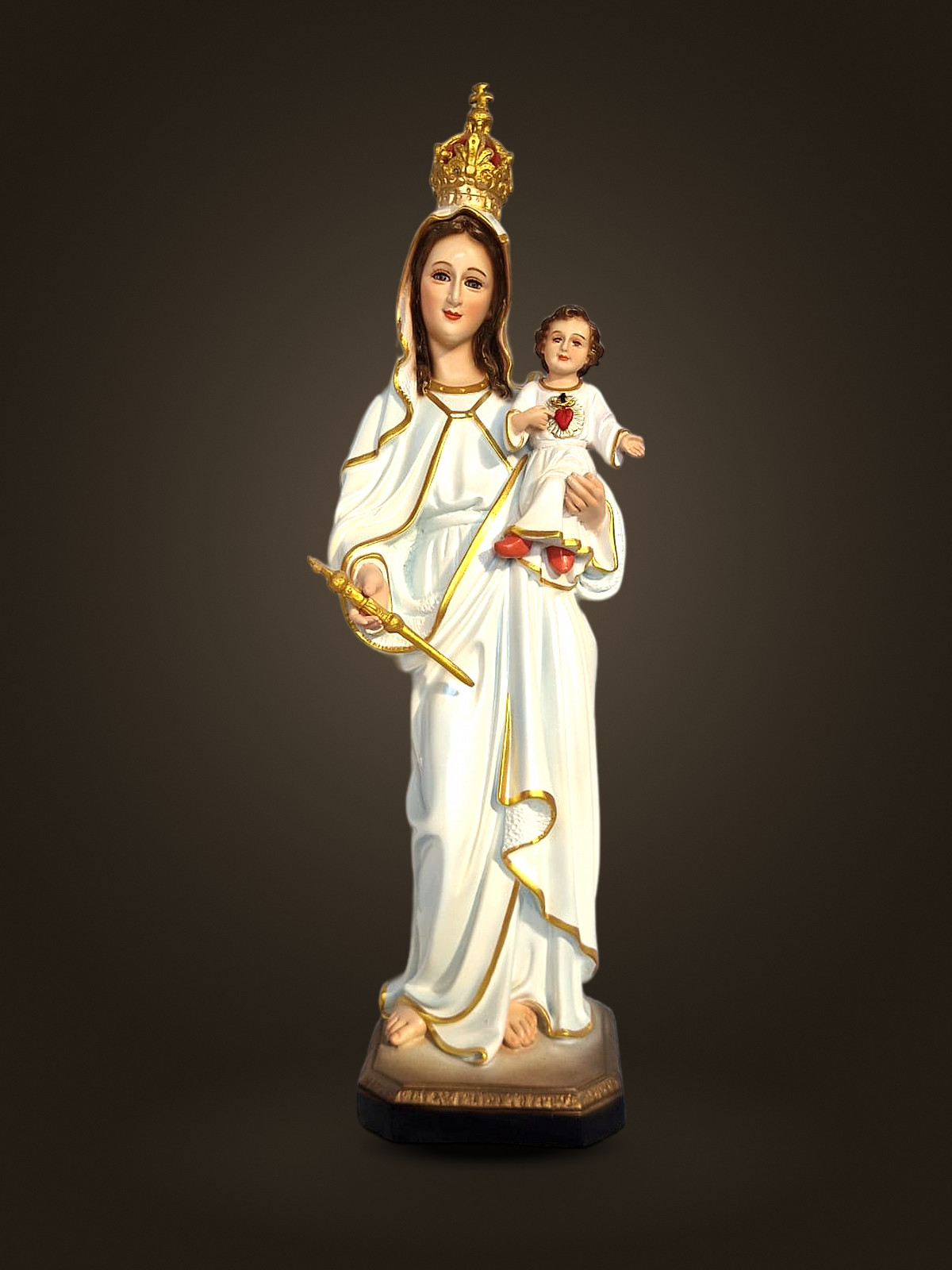
Our Lady of Mercy
Hand-painted resin
From €60
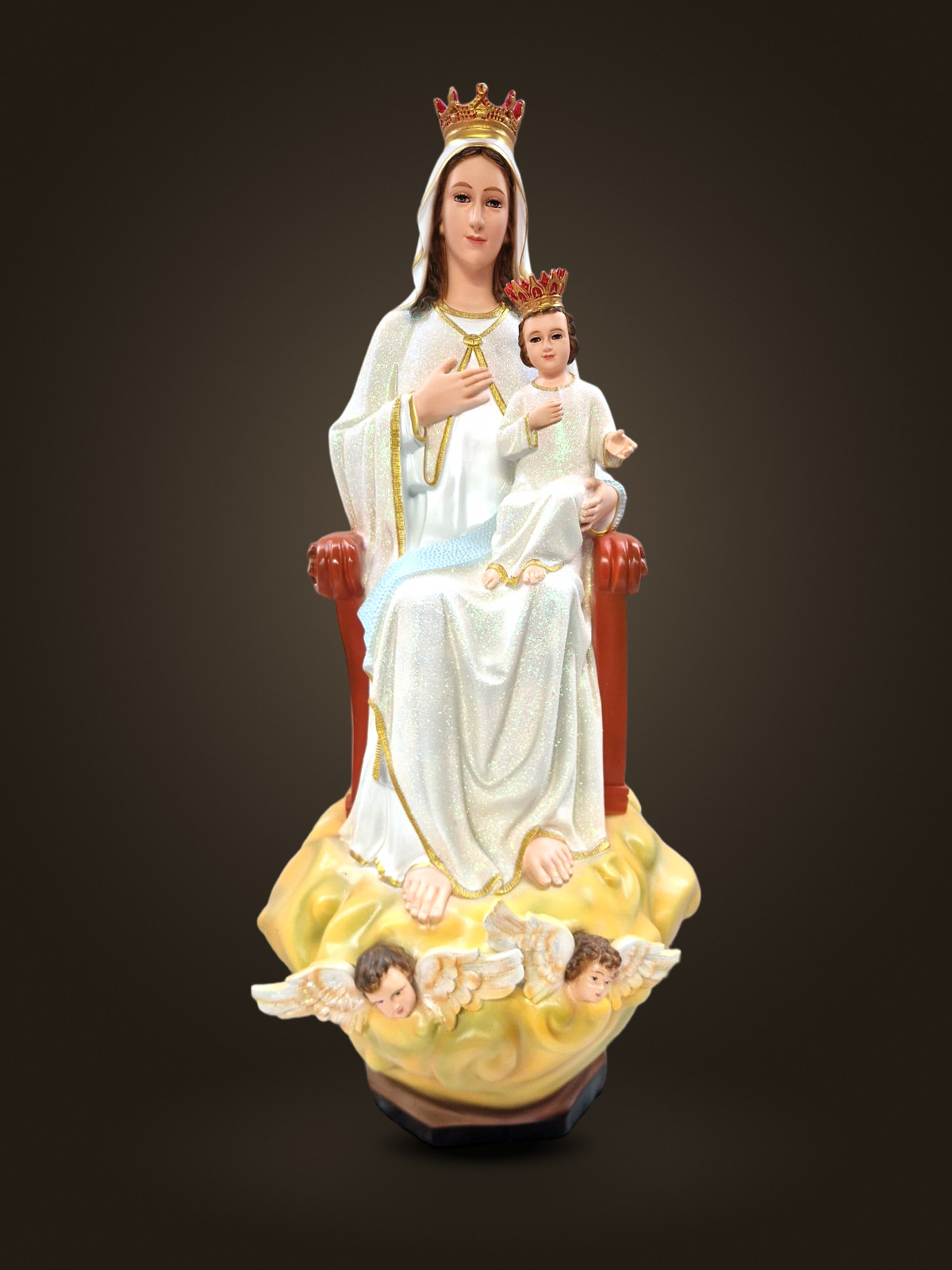
Our Lady of Mount Carmel
Hand-painted resin · glitter finish
€260
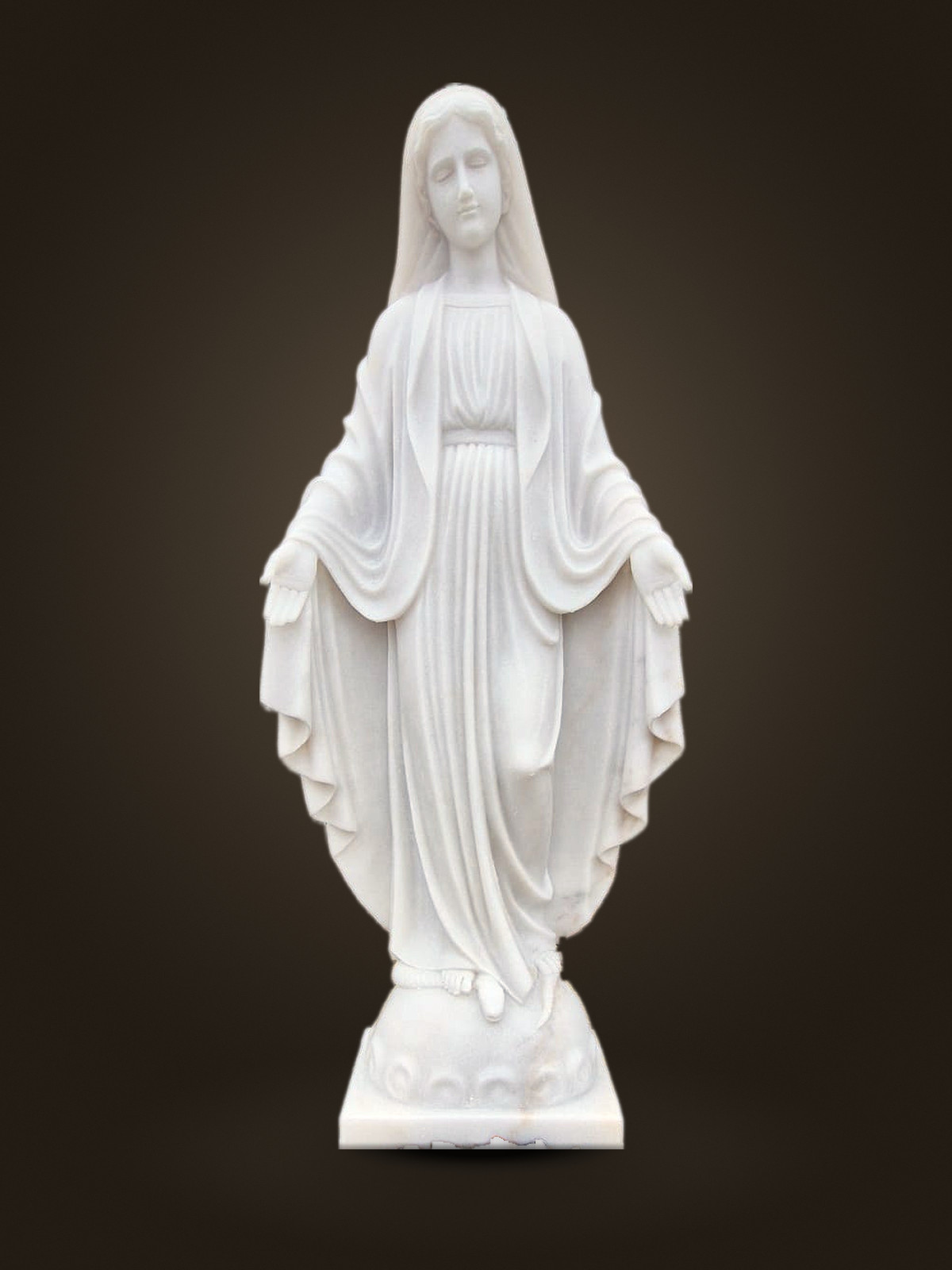
Our Lady of Grace
Hand-carved marble
€2,150
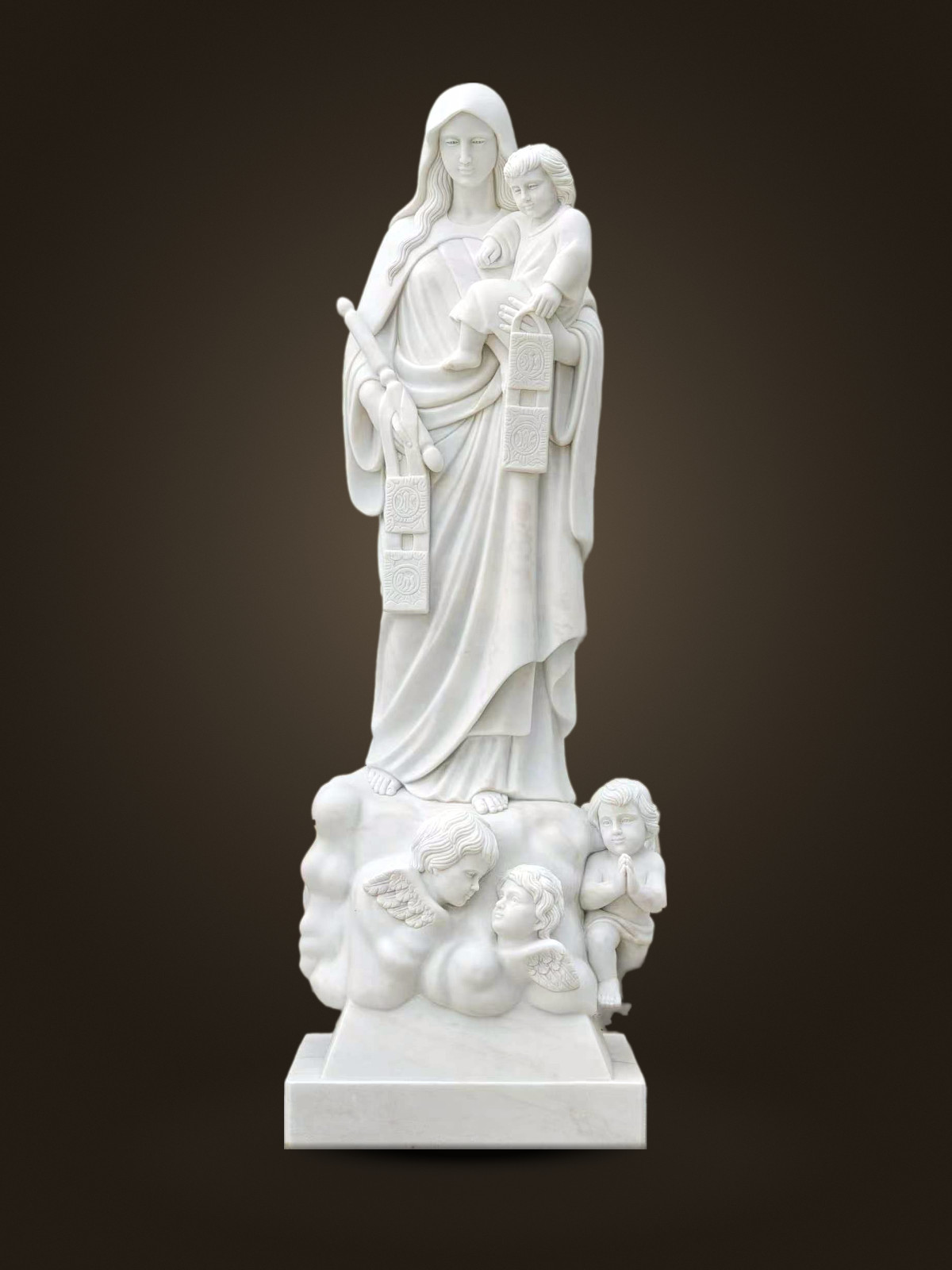
Our Lady of Mount Carmel
Hand-carved marble · sold
Sold
A statue that travels, and a statue that stays
For a group that meets in a borrowed room, the statue goes home in someone’s car every week. Painted resin is the sensible choice: it is light, it is posted for a flat €15 per order anywhere in Ireland, and a smaller piece fits easily on a meeting-room table with a cloth, two candles and flowers. Carry it upright, wrapped, and never by the head or the hands.
For a chapel, a cloister or a garden that the community will keep, hand-carved marble is made for exactly that. It is heavier and we deliver it ourselves to any county; the charge is on each statue’s page. In a cloister or a garden it weathers gently and can be washed down in spring — the care notes are on our story page.
Saints of the religious orders
St Francis, St Thérèse, Padre Pio, St Joseph and others, in resin and in marble.
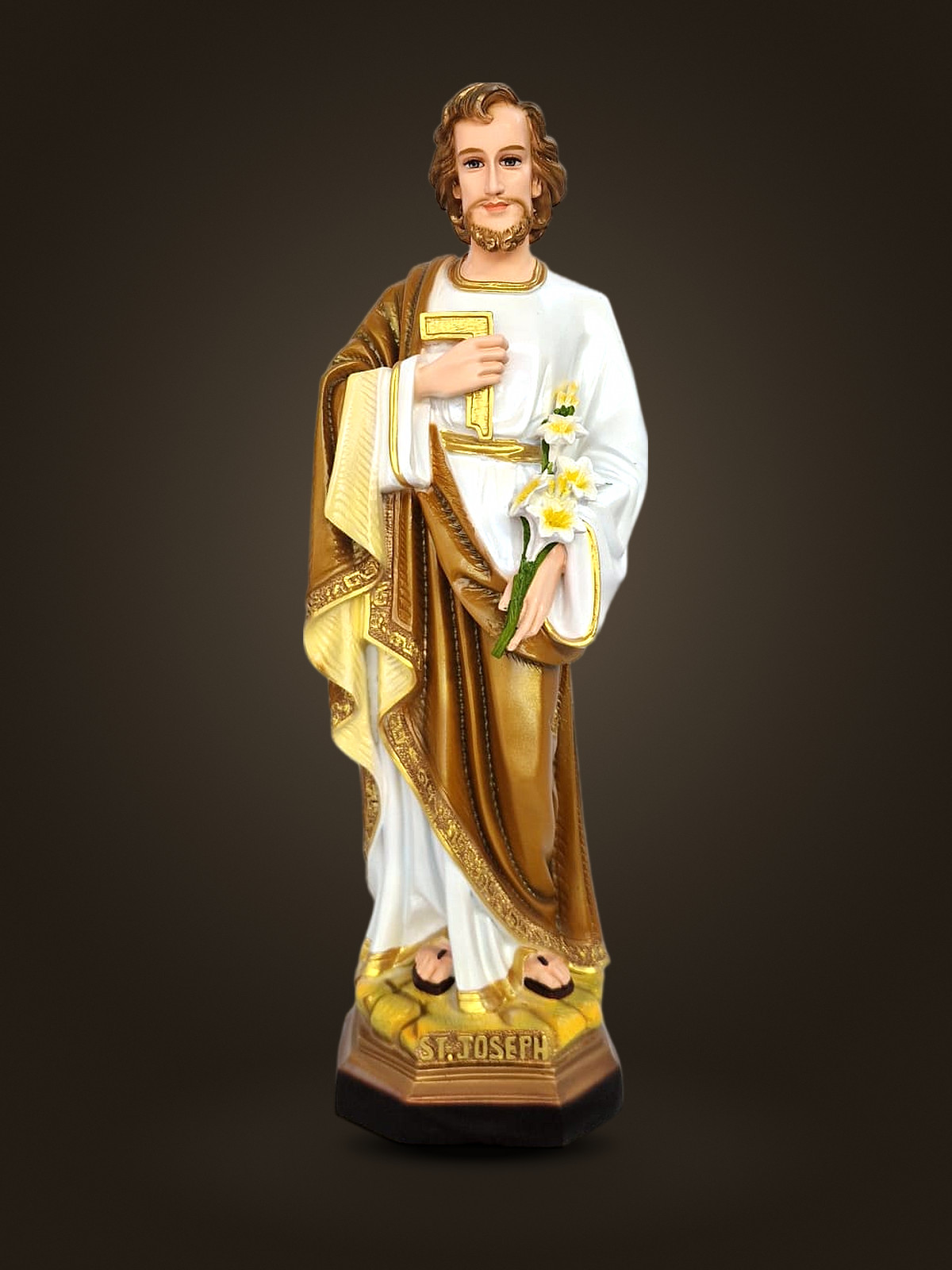
St Joseph
Hand-painted resin · plain or glitter
From €60
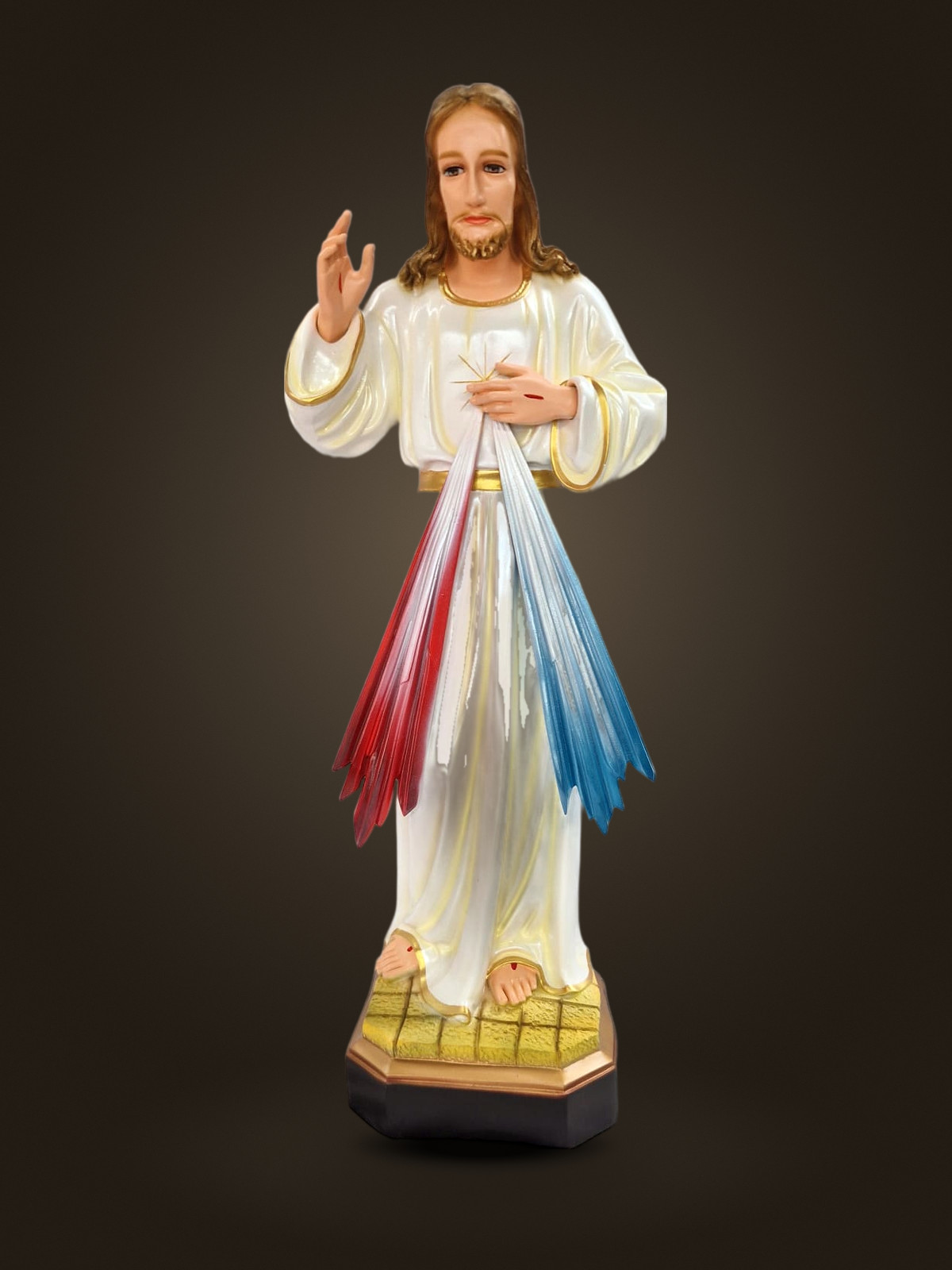
Merciful Jesus
Hand-painted resin · plain or glitter
From €95
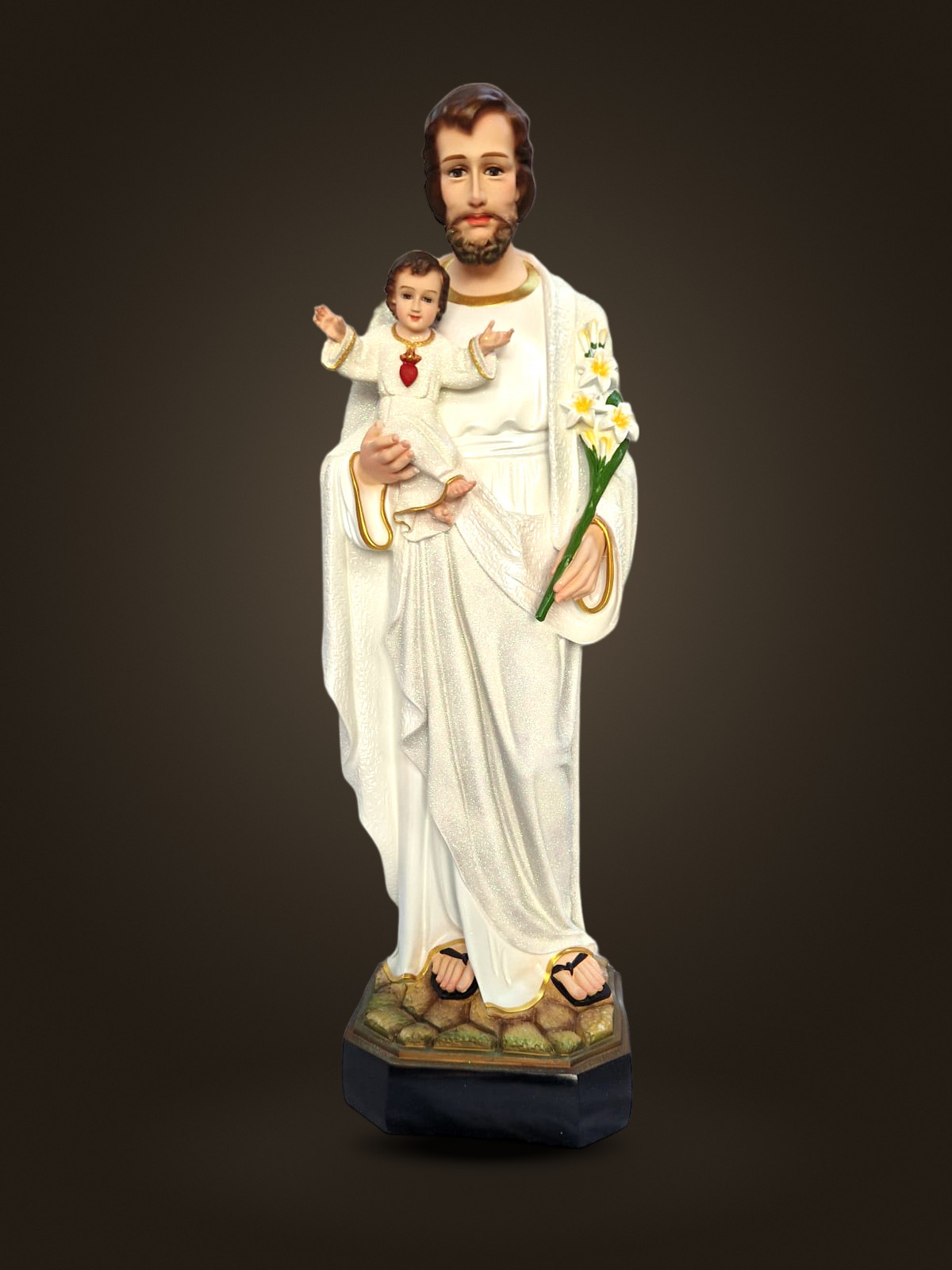
St Joseph with the Child Jesus
Hand-painted resin · glitter finish
From €60
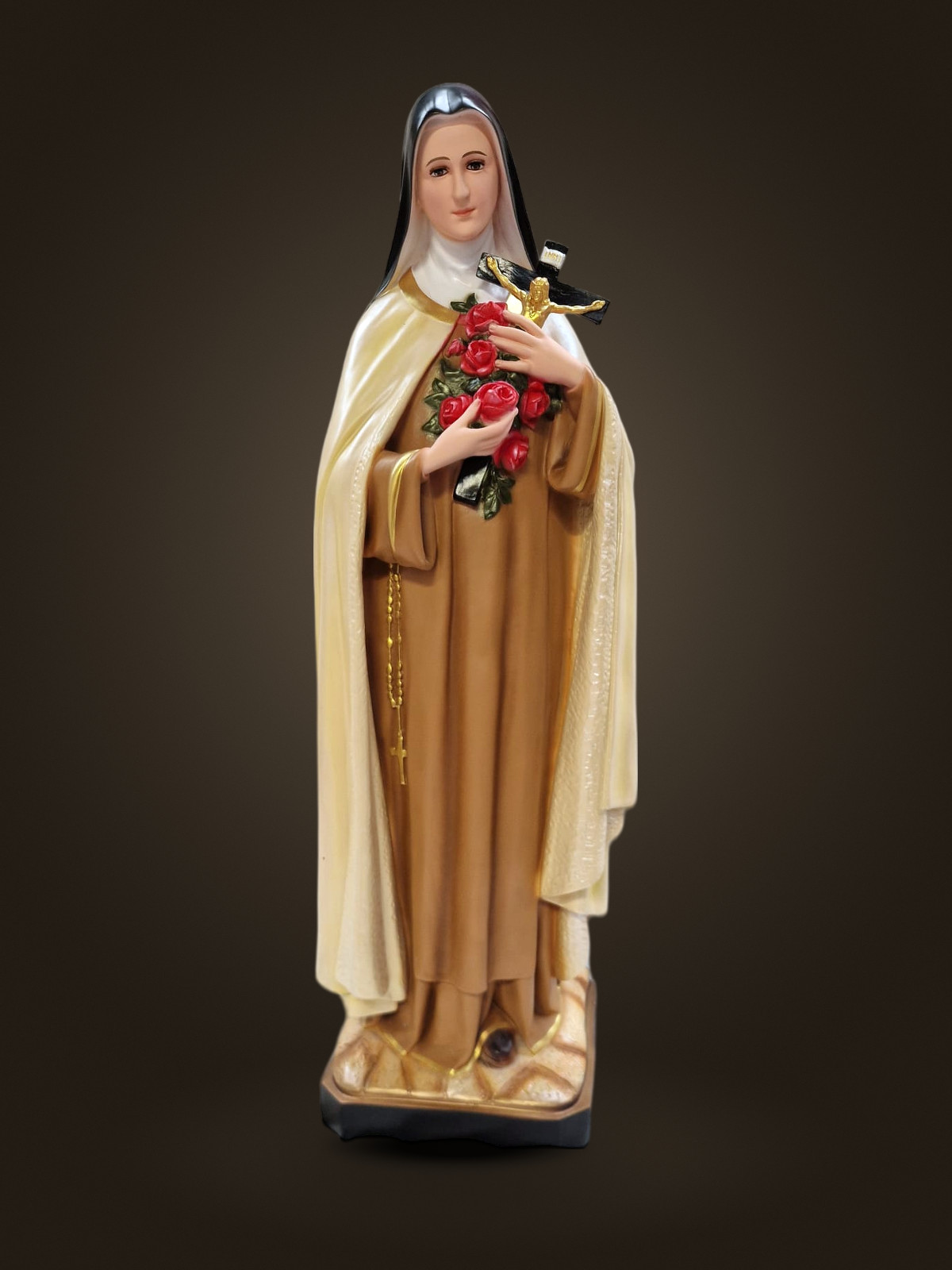
St Thérèse of Lisieux
Hand-painted resin
€260
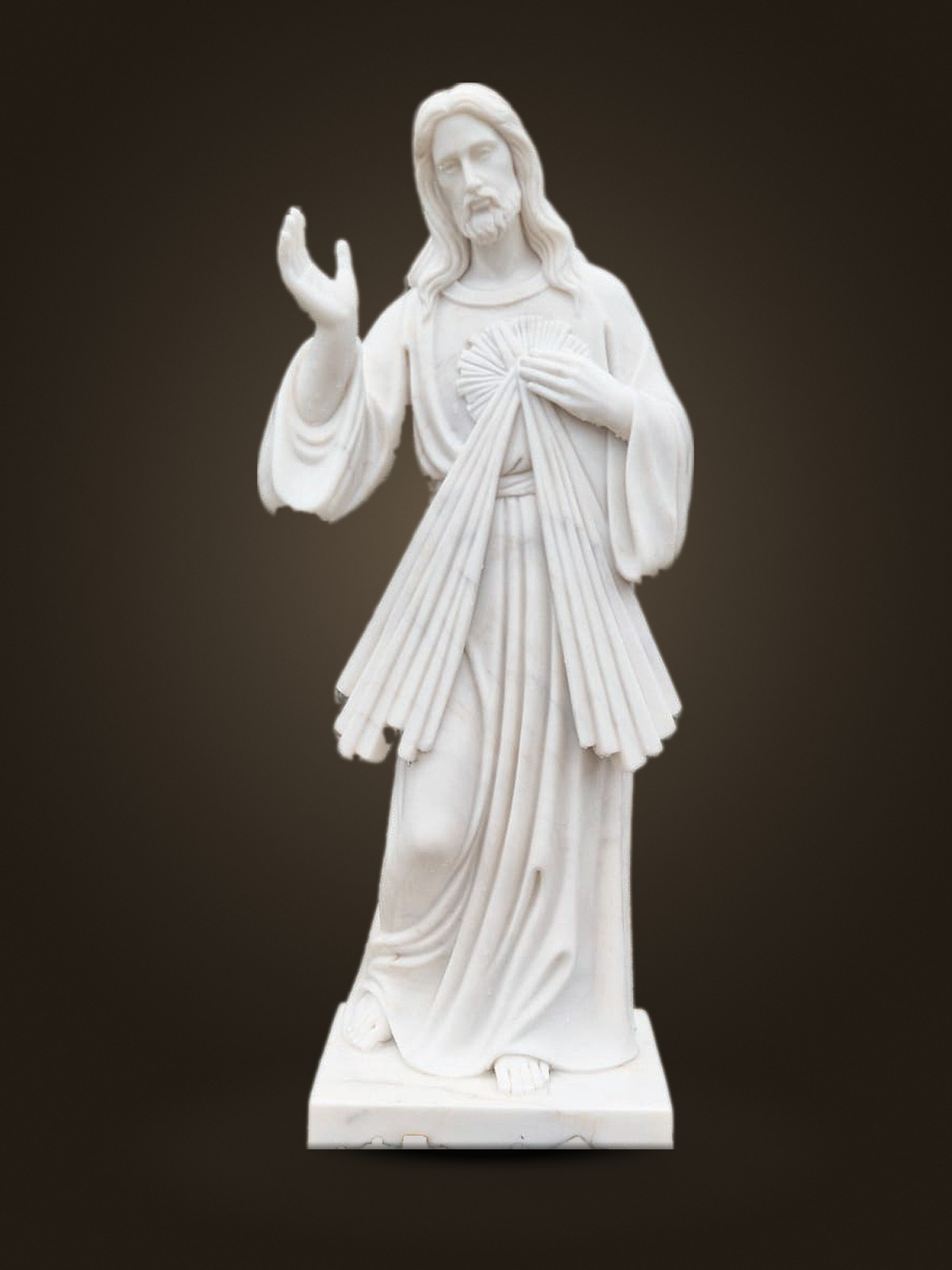
The Divine Mercy
Hand-carved marble
€1,650
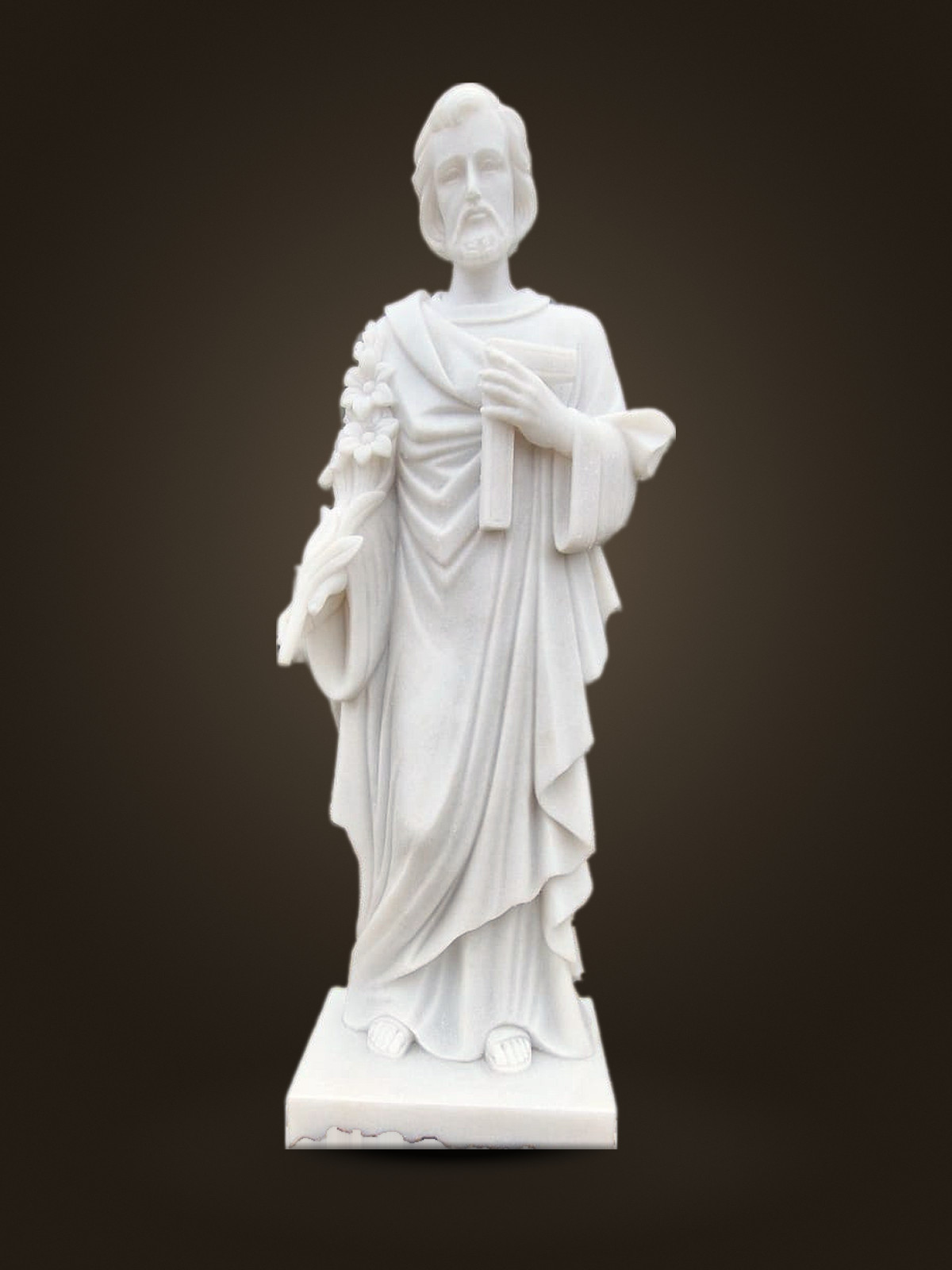
St Joseph
Hand-carved marble
€1,700
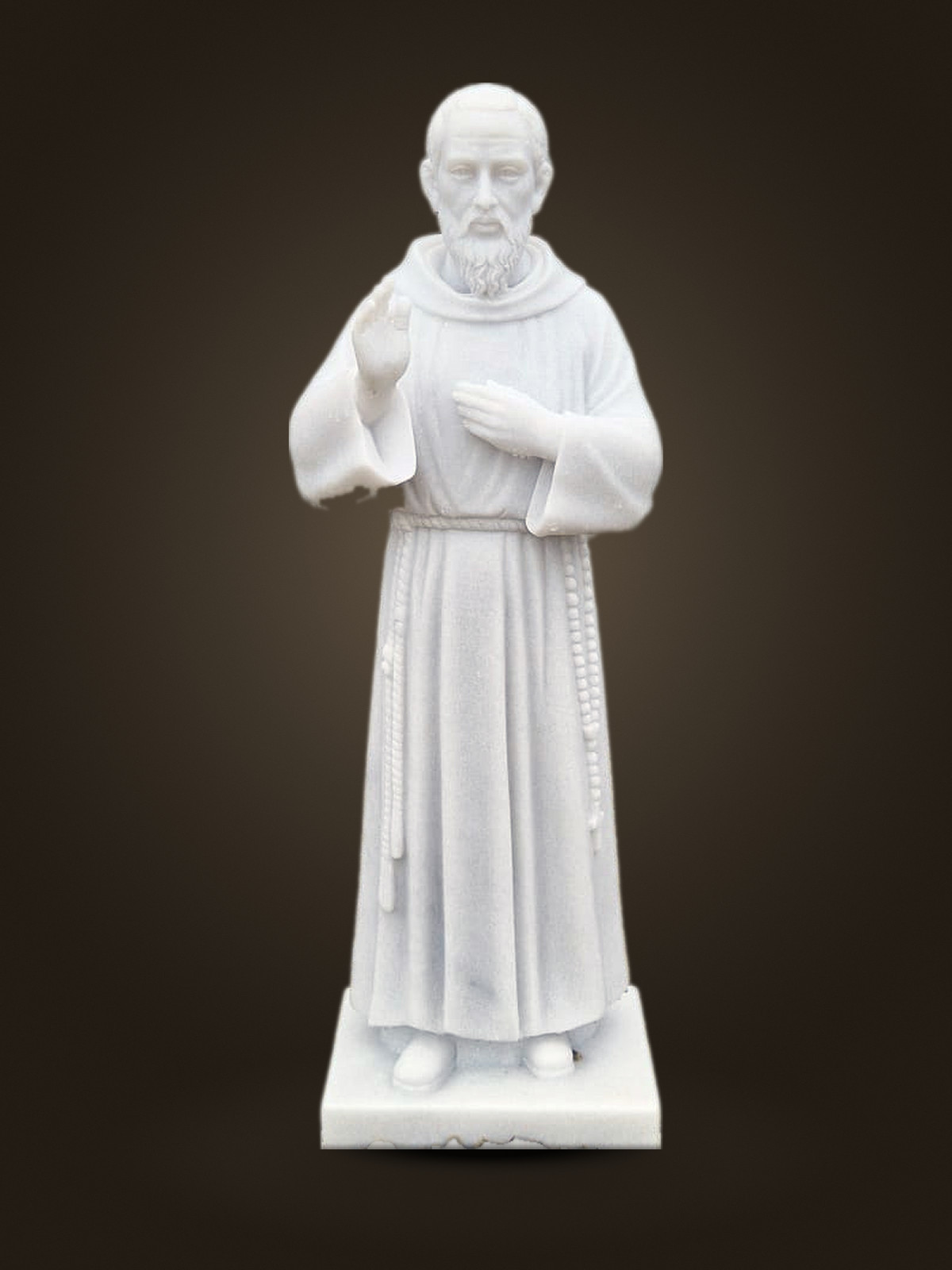
St Padre Pio
Hand-carved marble
€1,600
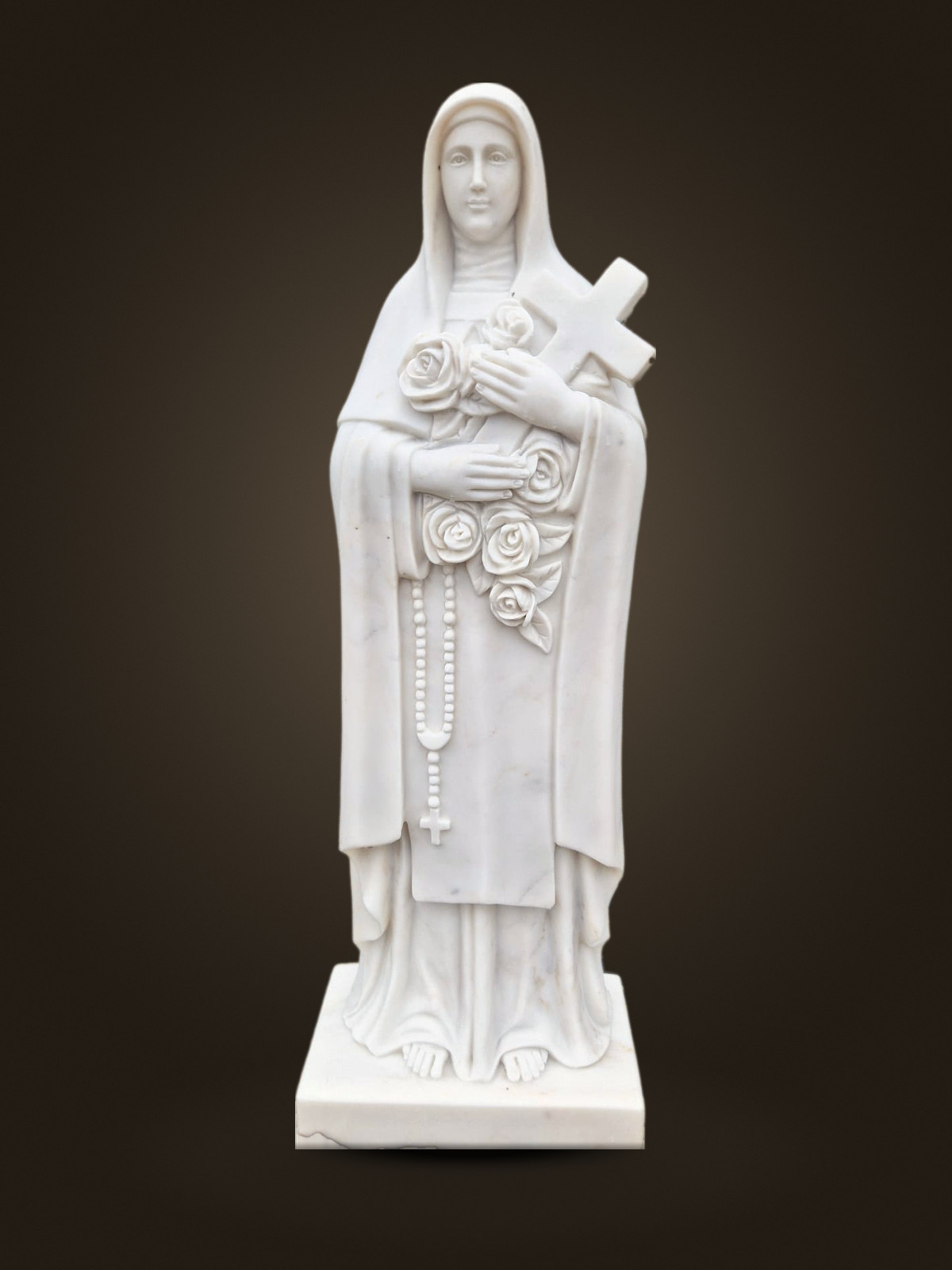
St Thérèse of Lisieux
Hand-carved marble
€1,600
Jubilees, professions and gifts
Communities often buy a statue to mark something: a jubilee of profession, a new house, the centenary of a foundation, or a sister or brother going to a mission. We have a page on gifts for ordination and religious profession, and if you want a piece engraved or carved specially for an anniversary, write to us and we will tell you what can be done.
Questions communities ask
What statue does a Legion of Mary praesidium need?
The Legion Handbook puts a statue of the Immaculate Conception, in the Miraculous Medal form, at the centre of the altar — the image we list as Our Lady of Grace. Ask your Curia if you are unsure about the arrangement; a painted statue is light enough to carry to each meeting.
Our founder’s statue is not in the catalogue. Can you make one?
Very often, yes. Send us a photograph or a holy card of the image you want and the size, and we will quote for carving it in marble before anything is made. See made to order.
Which material suits a cloister garden?
Marble. Set it on a level, solid base, wash off moss and algae gently in spring, and keep acid cleaners away from it. See garden statues.
Can a community pay on a quote rather than through the website?
Write to us with what you need and how your community usually pays for purchases, and we will tell you what we can arrange.
Do you deliver to convents and monasteries outside Ireland?
Our checkout delivers within the Republic of Ireland only. For a community abroad, write to us and we will tell you honestly whether we can help and quote the full cost before you pay anything.
How do we carry a statue to meetings without damaging it?
Keep the box and packing it came in, carry it upright, and lift it by the base, never by the head, hands or anything that stands out from the figure.
Choosing for your community?
Tell us the patron, the place and the size of the room, and we will suggest what fits — or quote for carving the statue you need.
Updated
Read next
Church statues
A statue in a church has to read from the back of the nave, suit the building it stands in, and last longer than any of the people who chose it. This page is for parish priests, sacristans and committees working that out.
Ordination & profession gifts
An ordination or a profession of vows is the day a whole life is handed over. A statue is one of the few gifts equal to it — and one a priest or religious can keep wherever they are sent.
Made to order
Not in the catalogue? It can still be carved. If it can be carved, we can carve it — send us a photograph or a drawing of what you have in mind and we will tell you what it takes to make it.
Garden statues
A statue of Our Lady in the garden is one of the oldest sights in Ireland. Getting one to look right — and keep it standing straight winter after winter — is mostly about the base, the spot and the material.
Religious statues in Ireland
Statues of Our Lord, Our Lady and the saints for the home, the parish and the garden — hand-painted resin and hand-carved marble, delivered to every county in Ireland.