
For schools
Statues for Catholic schools
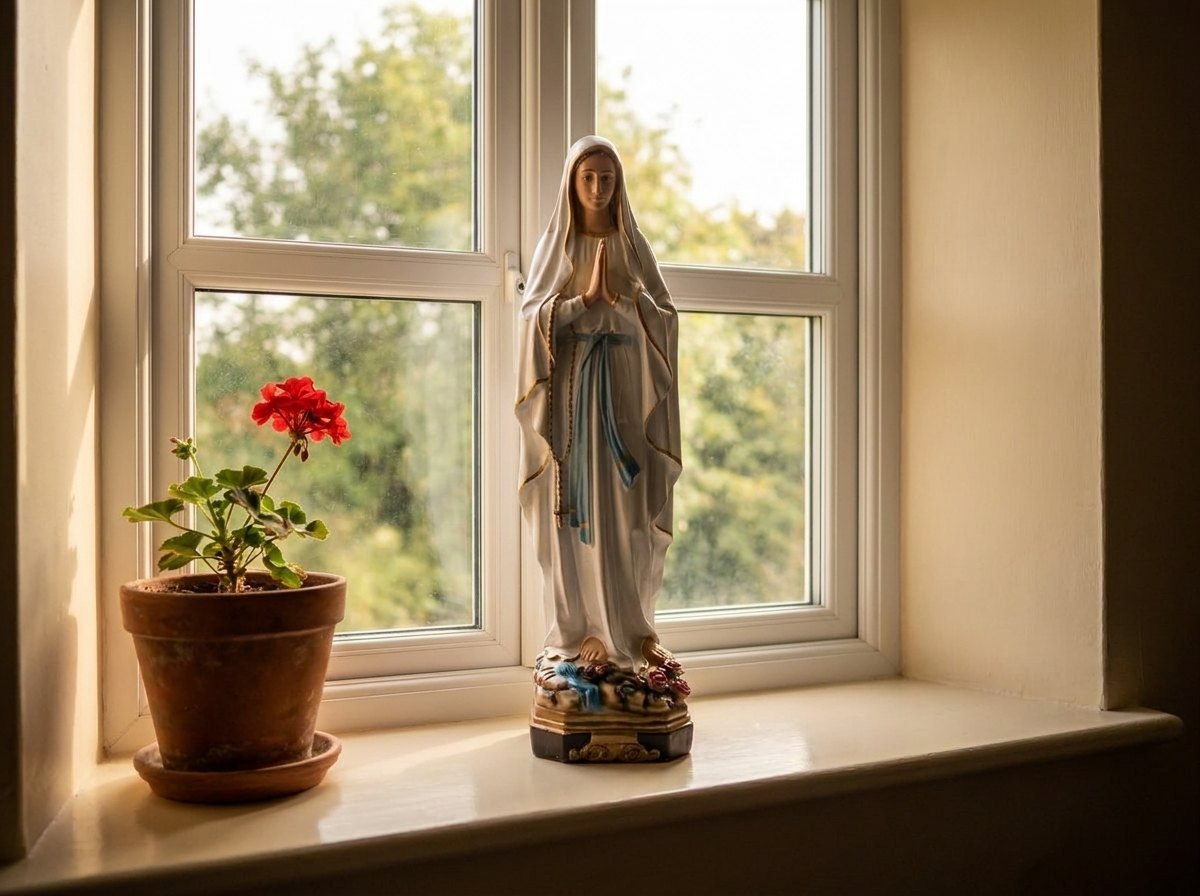
In a Catholic school a statue does quiet work every day: it tells visitors what the school believes, gives the children somewhere to pray, and marks the seasons of the year. Here is how to choose one that suits a busy building.
Why schools buy statues
Many Irish schools were founded by a religious congregation or a parish and still carry the name of a saint or a title of Our Lady. A statue of that patron in the front hall is often the first thing a visitor sees, and it is the simplest way for a school to show its ethos without a word being said.
Inside the school, a statue serves the religious education programme and the sacramental year. Children preparing for First Holy Communion, usually in second class, and for Confirmation, usually in sixth, often have a prayer focus in the classroom. In May, many schools still keep a May altar to Our Lady, with flowers brought in by the children, and some crown her in a short ceremony. A statue that lives in the prayer room for the rest of the year can be brought out for these.
Where it goes, and what to watch for
The front hall or reception
The school’s patron, set high enough to be seen over a crowd of children and out of reach of schoolbags. A wall shelf or a sturdy plinth against a wall is safer than a free-standing table in the middle of a corridor.
The prayer room or oratory
Here children sit or kneel, so the statue can be lower and closer. Leave room for a candle — battery candles are the sensible choice in most schools — and a Bible.
The classroom prayer focus
A small painted statue on a cloth, changed with the liturgical season. Resin is light, so it can move from class to class, and the colours hold a young child’s attention.
The school grounds
A grotto or a statue in a garden or by the gate is a lasting gift from a past-pupils’ union or a parents’ association. Choose marble and fix it to a solid base; see garden statues and grotto statues.
For the May altar
Statues of Our Lady in hand-painted resin and hand-carved marble.
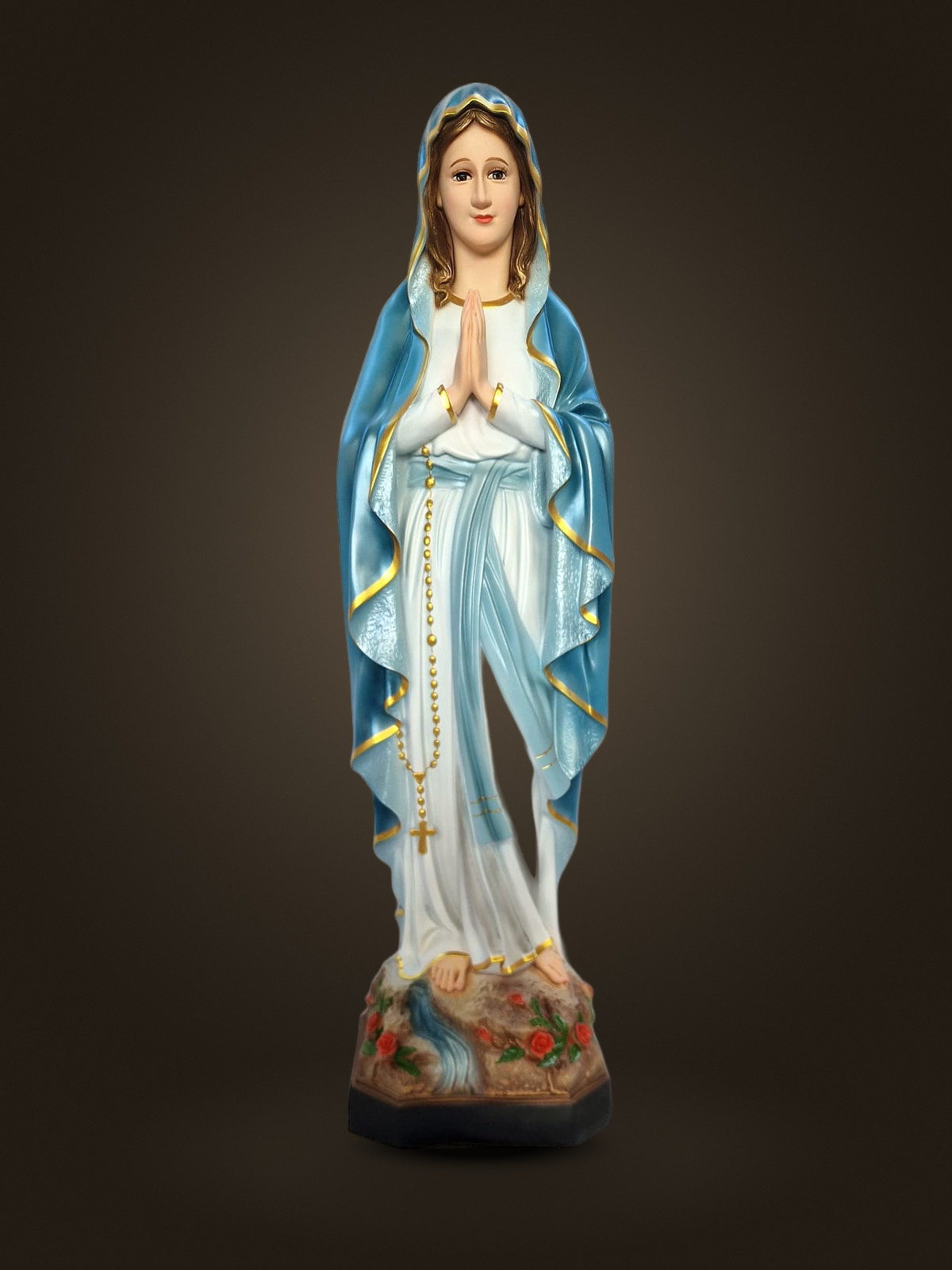
Our Lady of Lourdes
Hand-painted resin
From €55
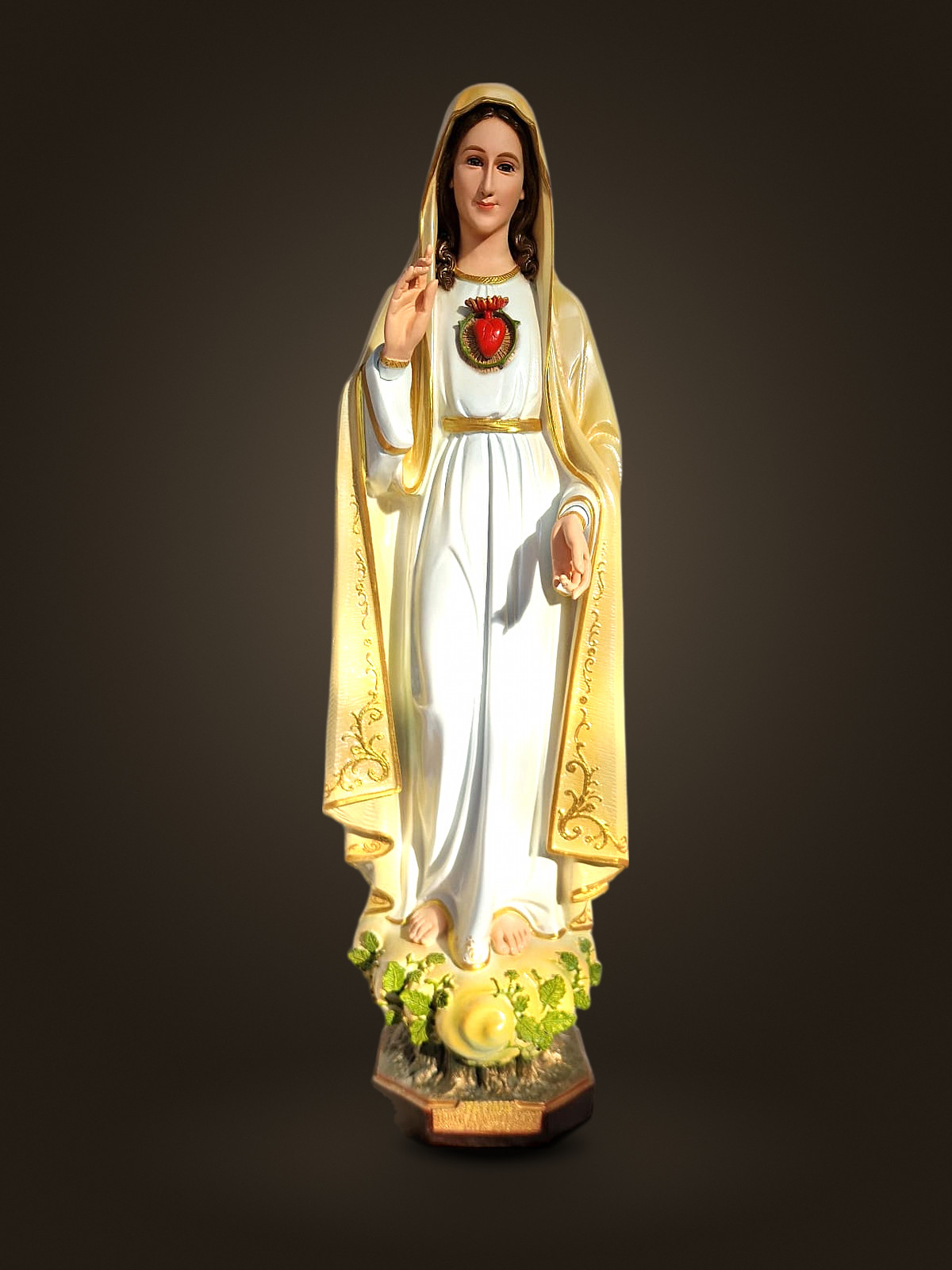
Our Lady of Fatima
Hand-painted resin
€140
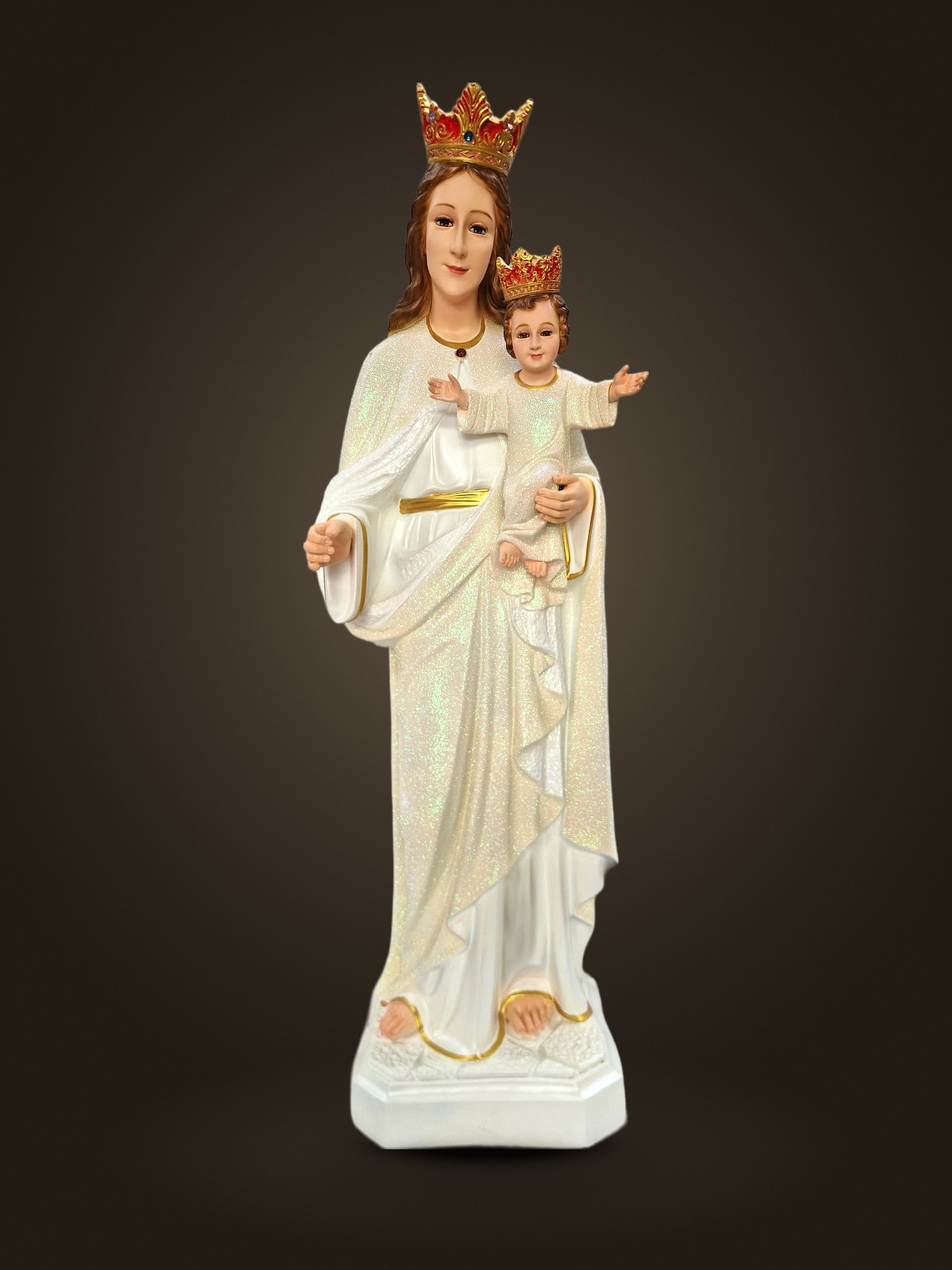
Our Lady Help of Christians
Hand-painted resin · glitter finish
€260
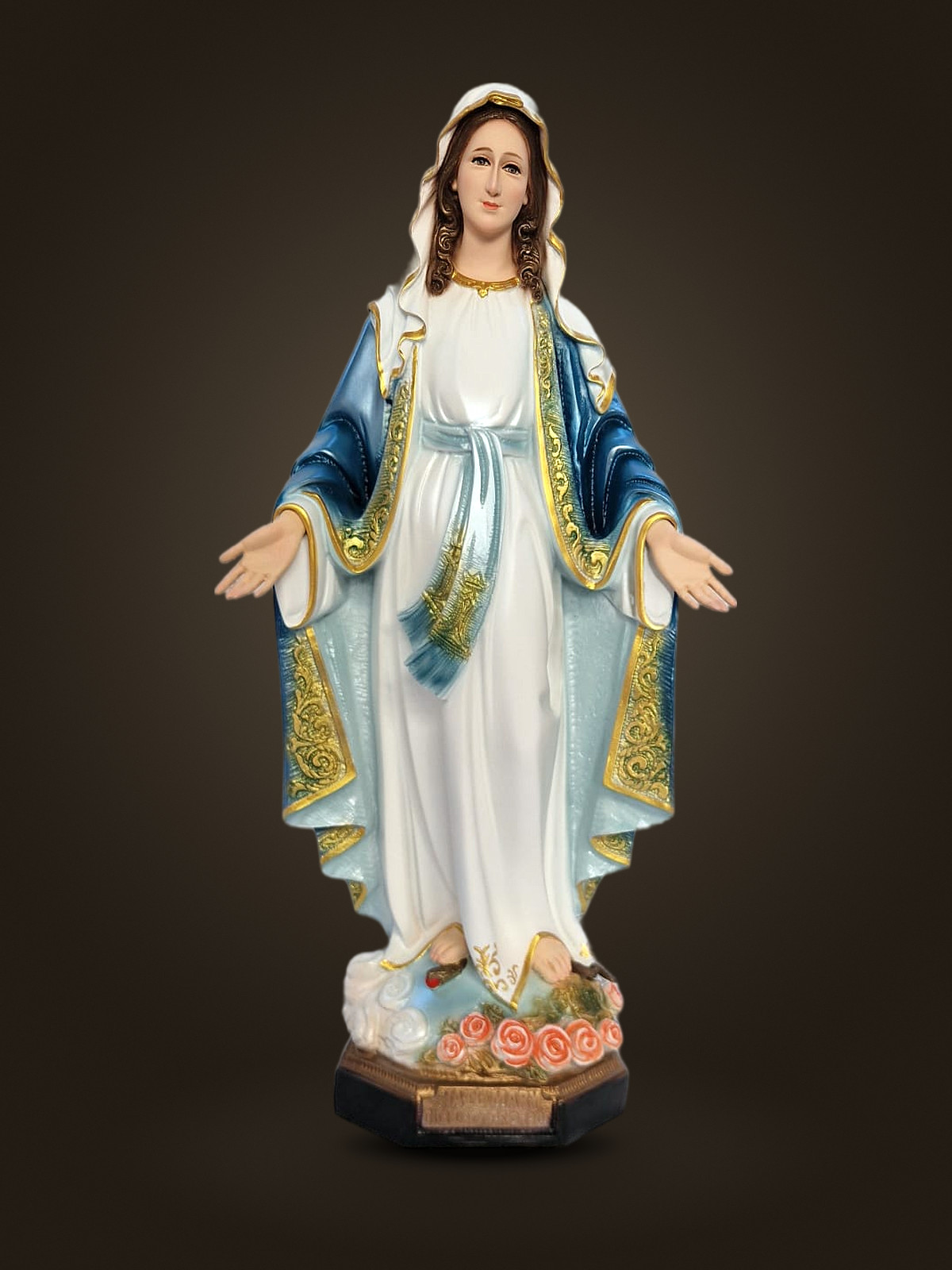
Our Lady of Grace
Hand-painted resin
€60
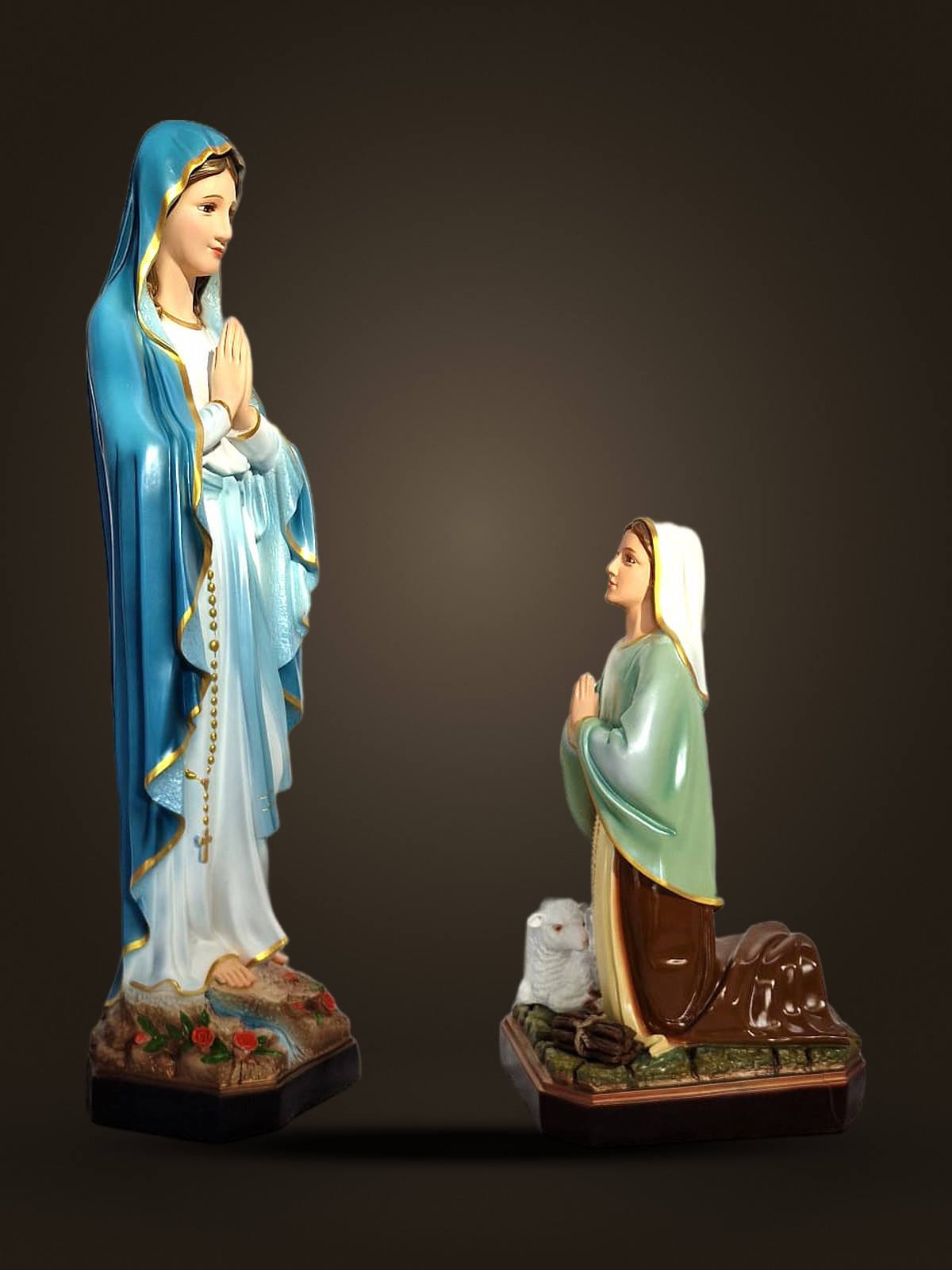
Our Lady of Lourdes and St Bernadette
Hand-painted resin · the pair
€240
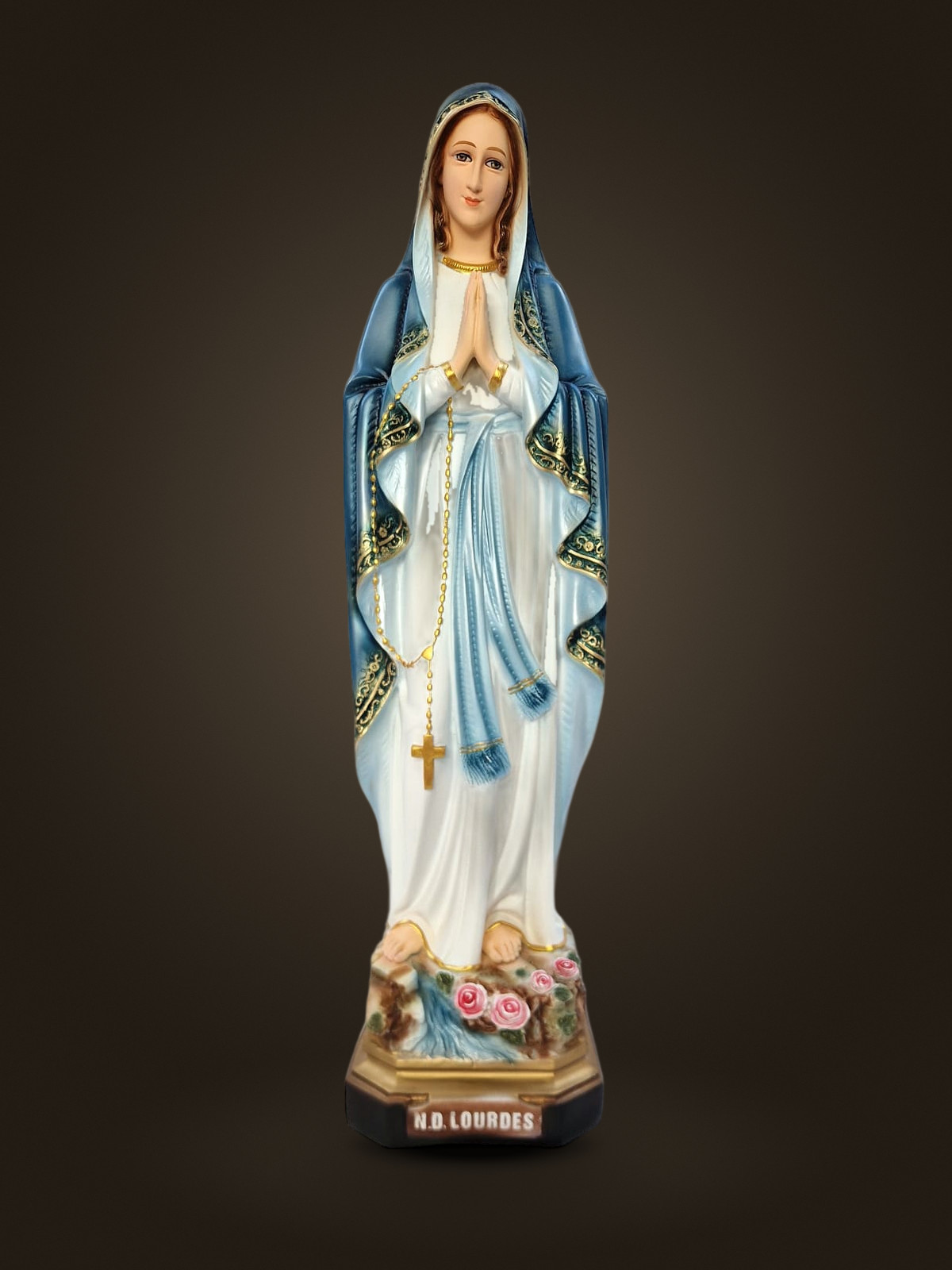
Our Lady of Lourdes (Hand-Painted)
Hand-painted resin · shaded finish
€95
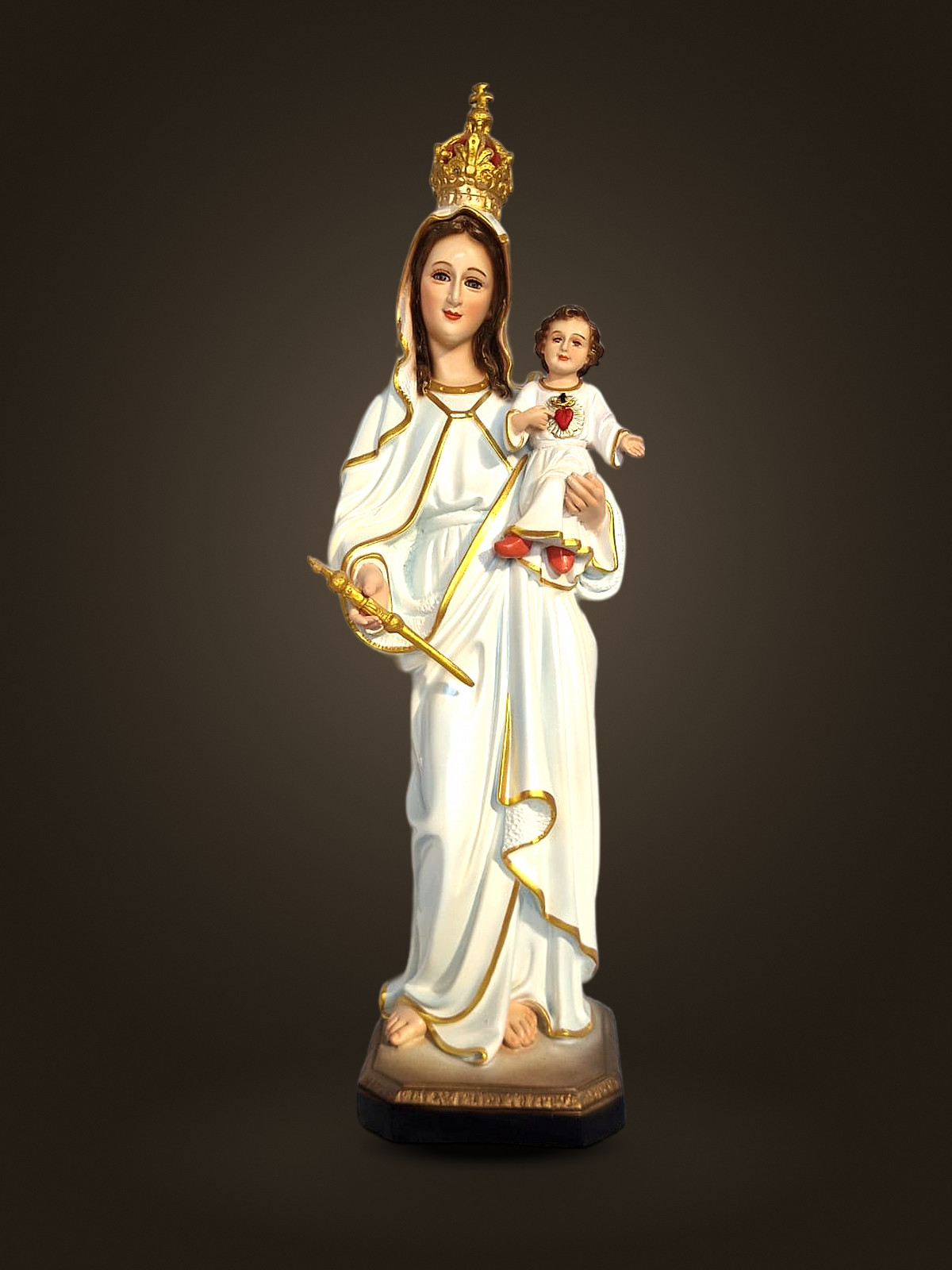
Our Lady of Mercy
Hand-painted resin
From €60
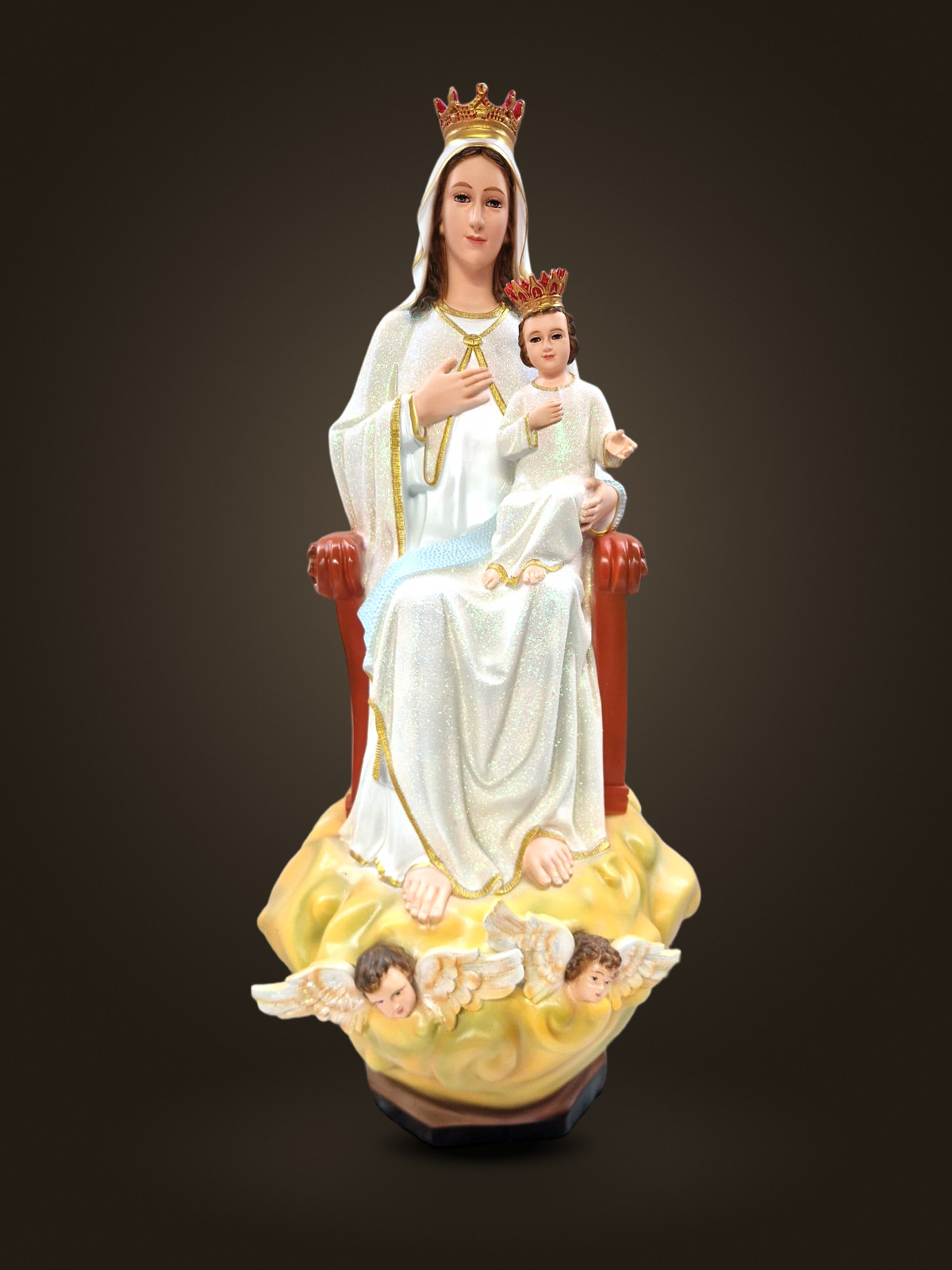
Our Lady of Mount Carmel
Hand-painted resin · glitter finish
€260
Safety in a busy building
Statues are heavy and breakable, and schools are full of people moving fast. Three simple rules cover most of it. First, put anything heavy against a wall, on a surface that cannot tip, and above the height of a running child’s shoulder. Second, keep naked flames away: use battery candles in the classroom and prayer room. Third, think about who will move it — a marble statue should be lifted by two adults, never by pupils.
Painted resin will chip if knocked off a shelf, so place it where it will not be brushed by coats and bags. Marble is far tougher, but its weight means it must stand on something solid. Every statue page lists the weight as well as the height, so the caretaker can check before it arrives.
Patrons schools are often named for
St Joseph, the Sacred Heart, the Holy Family and the saints.
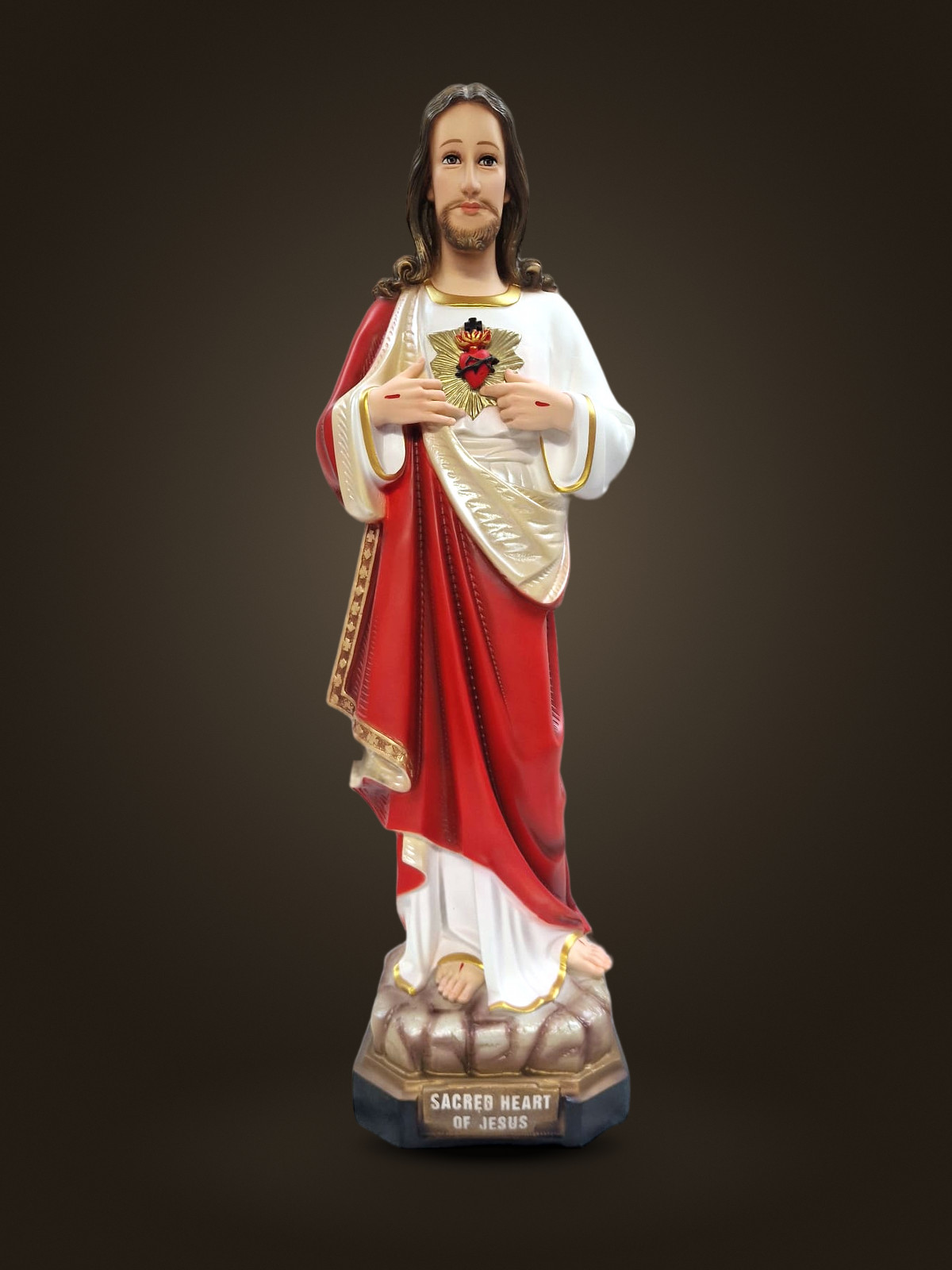
Sacred Heart of Jesus
Hand-painted resin · plain or glitter
From €60
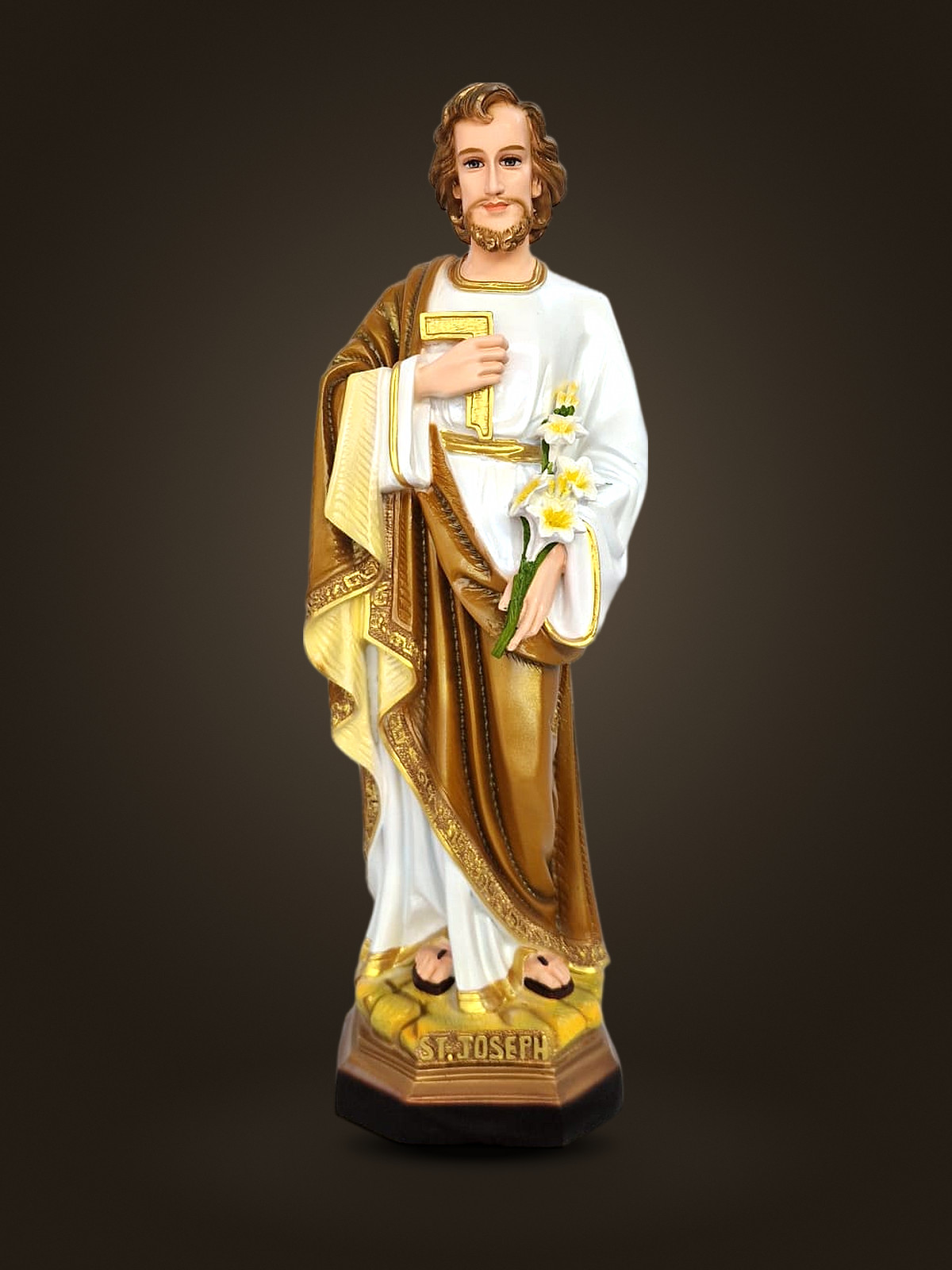
St Joseph
Hand-painted resin · plain or glitter
From €60
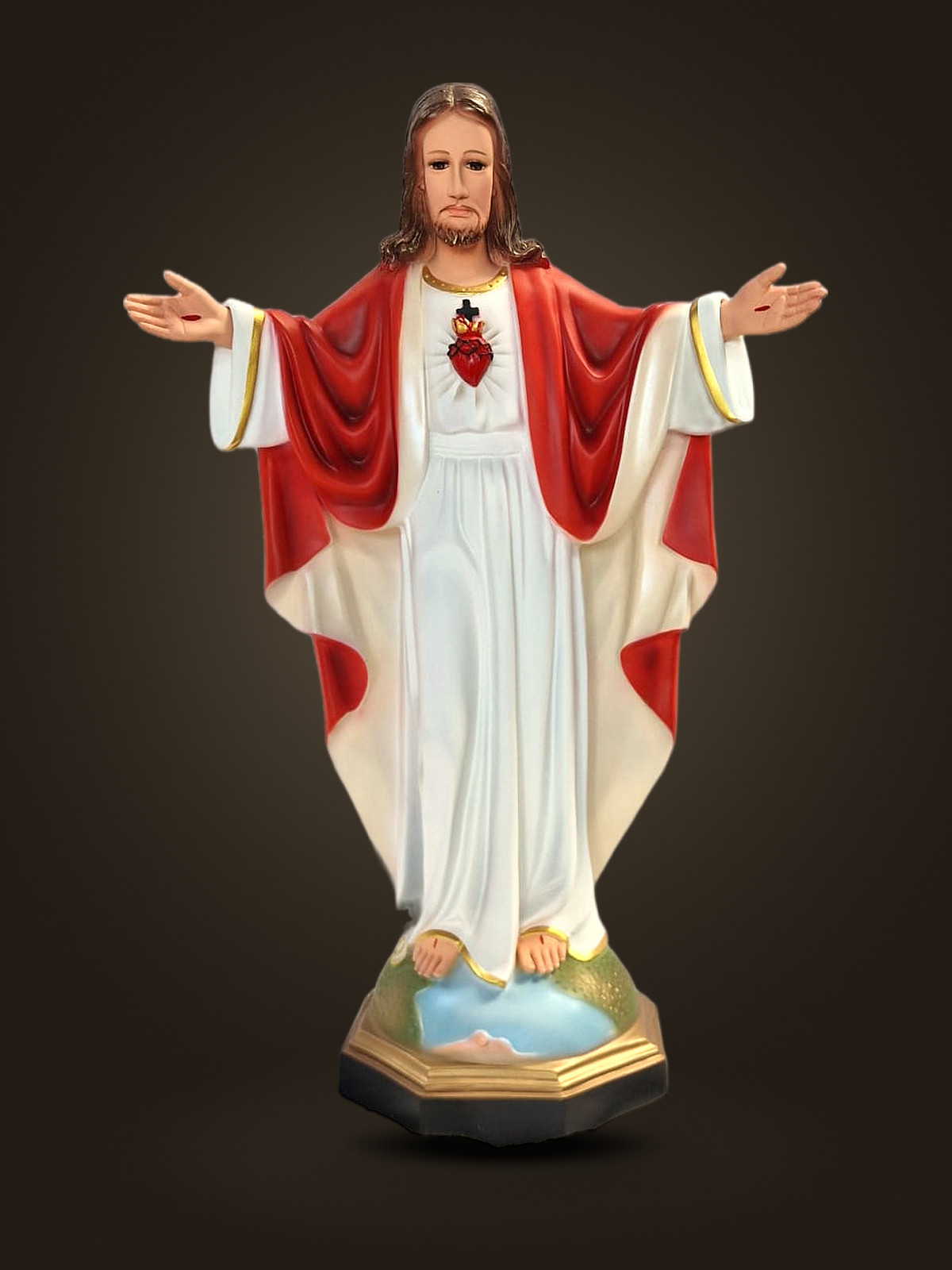
Sacred Heart of Jesus (Open Arms)
Hand-painted resin · plain or glitter
From €55
Our Lady of Lourdes and St Bernadette
Hand-painted resin · the pair
€240
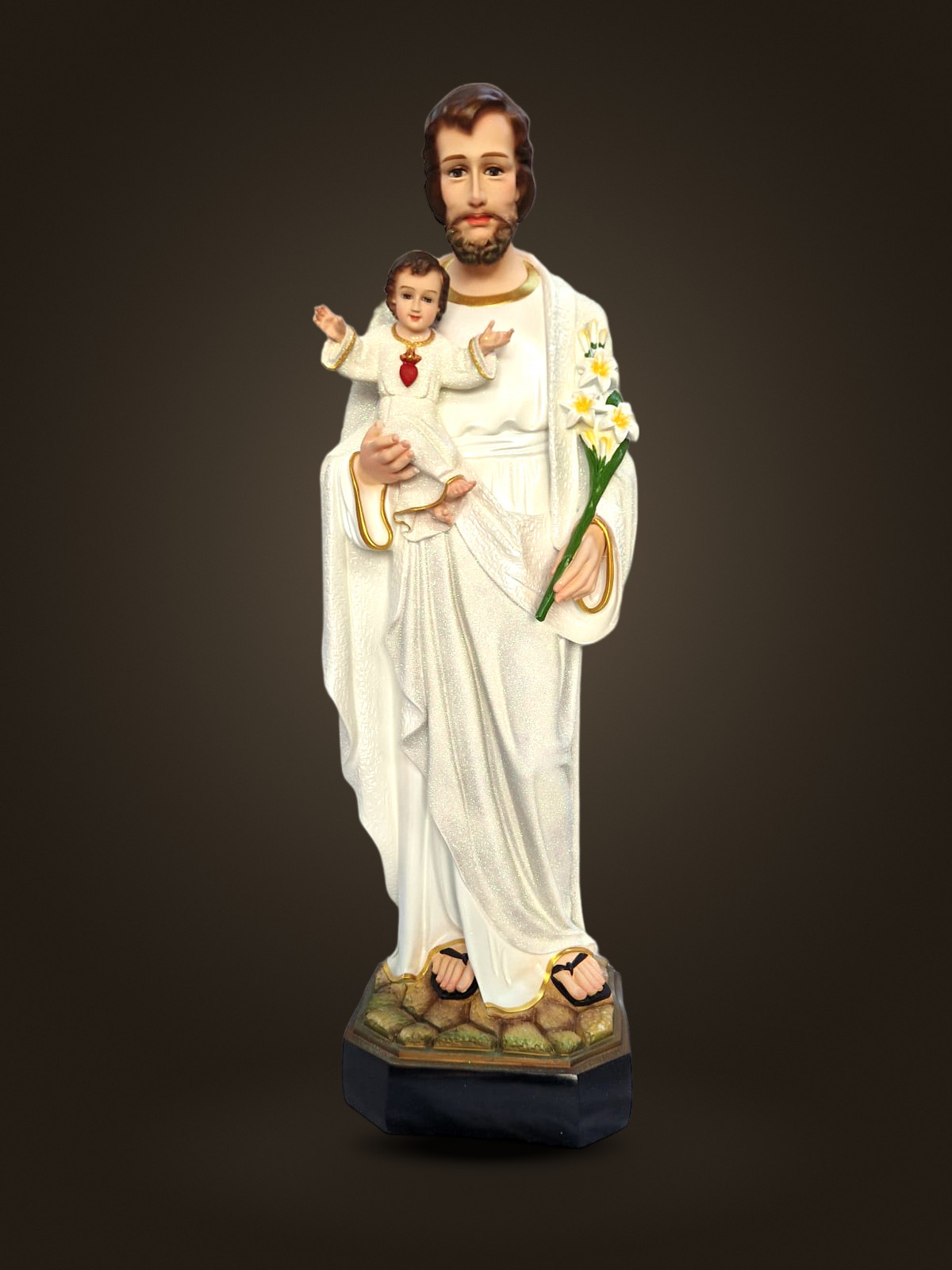
St Joseph with the Child Jesus
Hand-painted resin · glitter finish
From €60
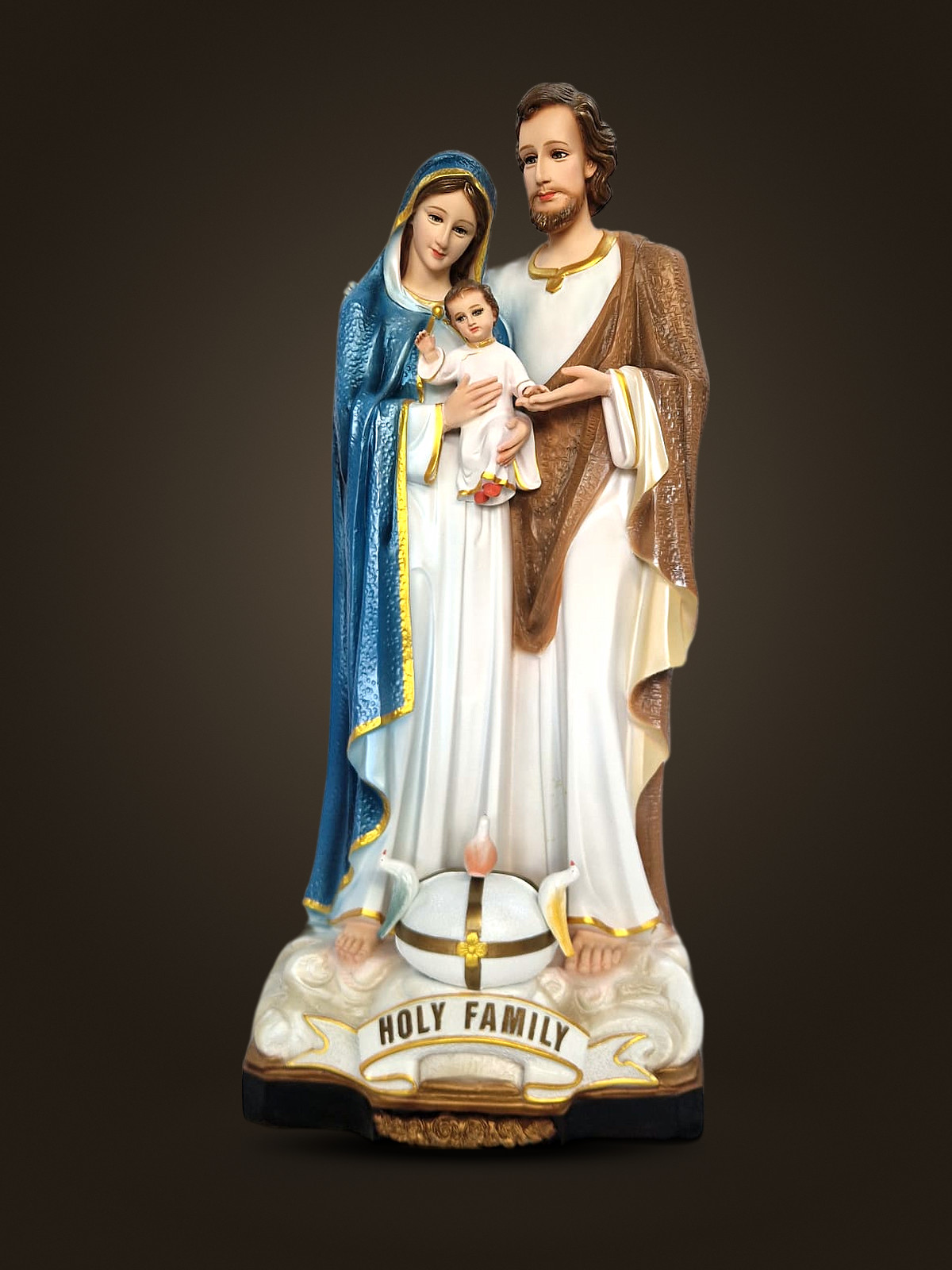
Holy Family
Hand-painted resin
€140
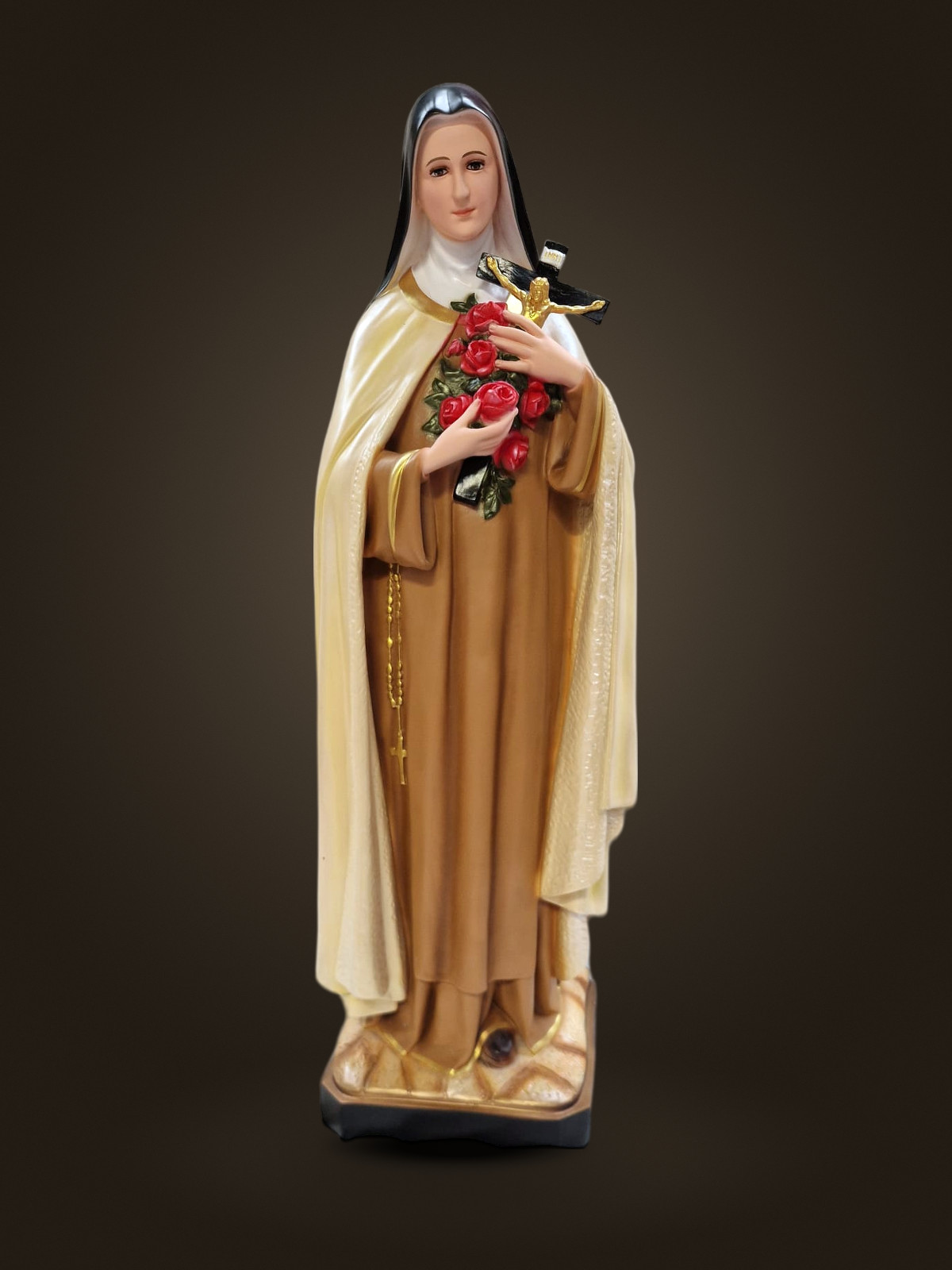
St Thérèse of Lisieux
Hand-painted resin
€260
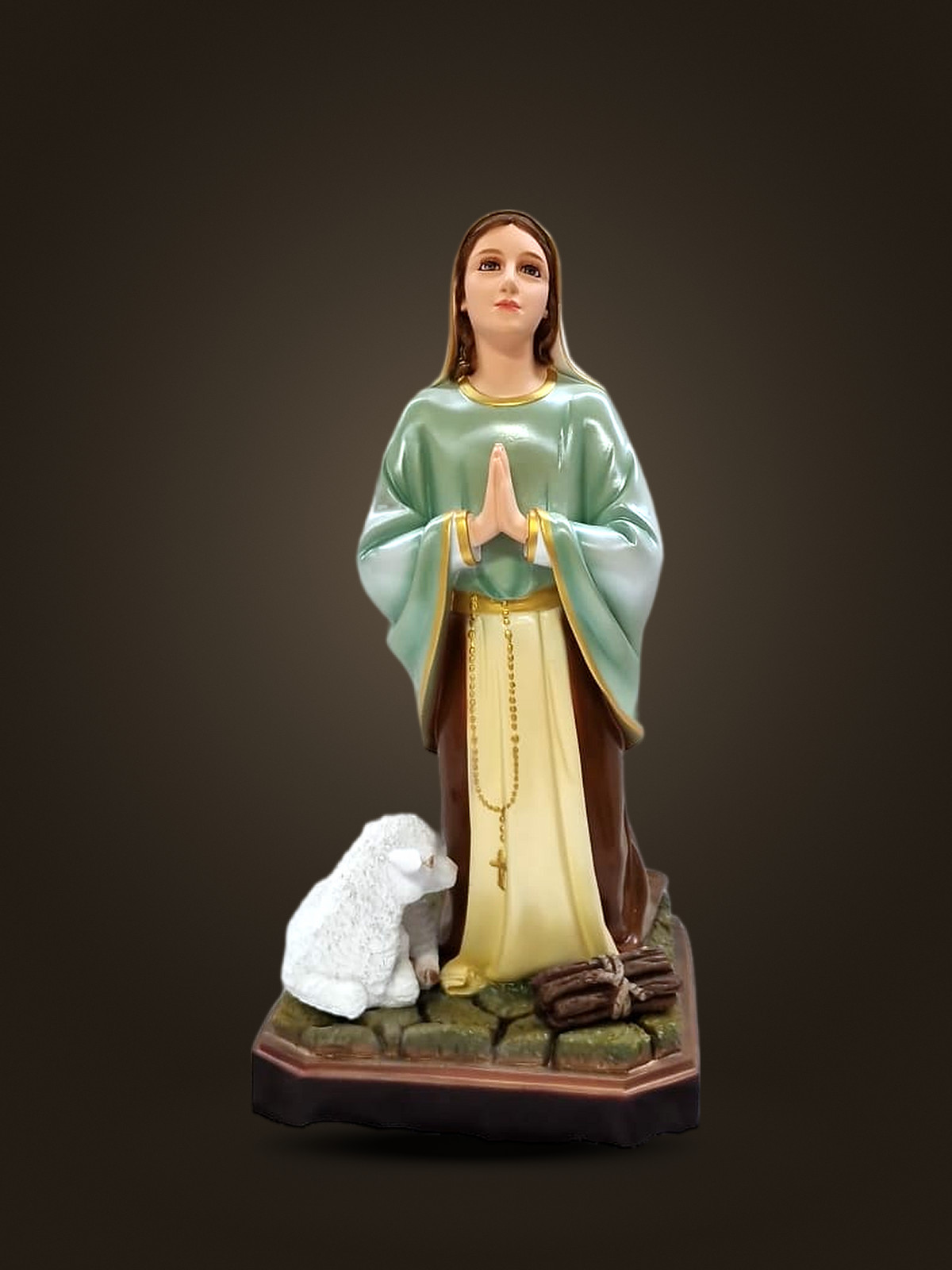
St Bernadette
Hand-painted resin
€120
Ordering for a school
If the board of management, the parents’ association or a past-pupils’ group needs a quote before buying, write to us with the statue and the school’s address and we will send the full cost including delivery. Resin is posted for a flat €15 per order; marble we deliver ourselves, and it helps to tell us which entrance to use and when the school is open.
A statue is a good leaving gift from a sixth class or a final-year group, and a good way to mark a school anniversary. If the patron your school is named for is not in the catalogue, marble can be carved to order.
Questions schools ask
What size statue suits a school May altar?
One the children can see clearly from where they sit, on a table that will not be knocked. Check the height on the statue’s page and measure the table and the space above it.
Is resin safe for a classroom?
Resin is light, which makes it easier to place safely, but it will chip if it falls. Put it on a steady surface against a wall, away from where bags and coats are swung.
Can we get a quote for the board of management?
Yes. Write to us with the statue you are considering and the school’s address, and we will send the full cost including delivery.
Our school is named after a saint you do not stock. Can you help?
Very often. Marble can be carved to order — send a picture of the image you want and the size, and we will quote before anything is made.
Should the school statue be blessed?
It is a good custom. Ask the parish priest or school chaplain to bless it, perhaps at a school Mass or prayer service so the children can be part of it.
Can a statue go outside in the school grounds?
Marble is the material for outdoors. Set it on a level, solid base fixed to the ground, and read our garden statues page for siting and care.
Choosing a statue for your school?
Tell us the patron, where the statue will stand and who is buying it, and we will suggest what suits and send a quote.
Updated
Read next
First Holy Communion gifts
Most of the money given on Communion day is spent by June. A statue of their own, chosen with them in mind, is the present they are still likely to have when they make their own children’s Communion.
Confirmation gifts
At Confirmation a young person chooses a saint’s name and a sponsor to stand behind them. A statue of that saint is one of the most personal gifts the day allows.
Church statues
A statue in a church has to read from the back of the nave, suit the building it stands in, and last longer than any of the people who chose it. This page is for parish priests, sacristans and committees working that out.
Grotto statues
Almost every Irish parish has one: a rock grotto with Our Lady of Lourdes in a niche above and St Bernadette kneeling below. Here is the story behind it, and how to choose statues for a grotto of your own.
Resin statues
Hand-painted resin is how most people bring a statue into the house: in colour, light enough for a shelf, and posted anywhere in Ireland for one flat charge. Here is what it is good at, and where marble is the better choice.